
Diving Turtle Rock, Providencia
Turtle Rock is a dive about topography: a large rock separated from the Providencia wall by a deep crevice that runs all the way round it to the base. The two sources that describe it, both from 2008, agree that it’s a deep site and on a detail that’s unusual in recreational diving: black coral.
Depth: From about 23 m; bottom beyond 40 m
Get the details- Island
- Providencia
- Level
- Advanced, with deep-diving experience
- Type of dive
- Isolated rock beside the wall
- Ideal for
- Advanced divers and fans of underwater topography
Site profile
What the dive at Turtle Rock is like
The star is the rock: a block about 10 m wide whose top begins at around 23 m, according to Scuba Diving. A divers’ site profile from the same period puts its height at about 12 m and describes the crevice that separates it from the wall and runs round it to the base.
Circling the rock and peering into the crevice is the whole point of the site, but at these depths your no-decompression time runs out quickly, so the guide will set clear limits for the route.
What you’ll see
Black coral and a crevice whose walls are covered in coral, sponges and algae. It’s more of a seascape dive than a wildlife dive: what impresses is the shape of the rock and the feeling of passing between two walls.
A word about the name: none of the sources we’ve reviewed mentions turtles at this site, so don’t choose it for that. There are also sites called Turtle Rock in Curaçao, the Philippines and Thailand; don’t mix them up when you look for information.
Level, depth and conditions
The figures don’t quite match. Scuba Diving puts the top of the rock at around 23 m; a divers’ site profile gives a maximum of 40 to 43 m for the site. The actual depth of your dive will depend on the exact spot, the day’s conditions and your certification.
No source sets an official level, but given the depth it’s a dive for advanced divers, ideally with the Deep Diver speciality. The water can be cooler down there: 25 °C has been measured at about 26 m in Providencia in January.
Turtle Rock on a trip to Providencia
Providencia has around ten dive sites about 15 minutes by boat from the shore. Turtle Rock is one of the deep ones, so it only makes sense if the group has the level and the sea allows it; on Siete Azules trips each day’s plan is adjusted to those two things. If you’re catching the plane to San Andrés afterwards, leave at least 18 hours after your last dive.
What you’ll see
- Black coral
- Sponges
- Coral lining the crevice
- Algae on the rock
- The Providencia wall in the background
More dive sites
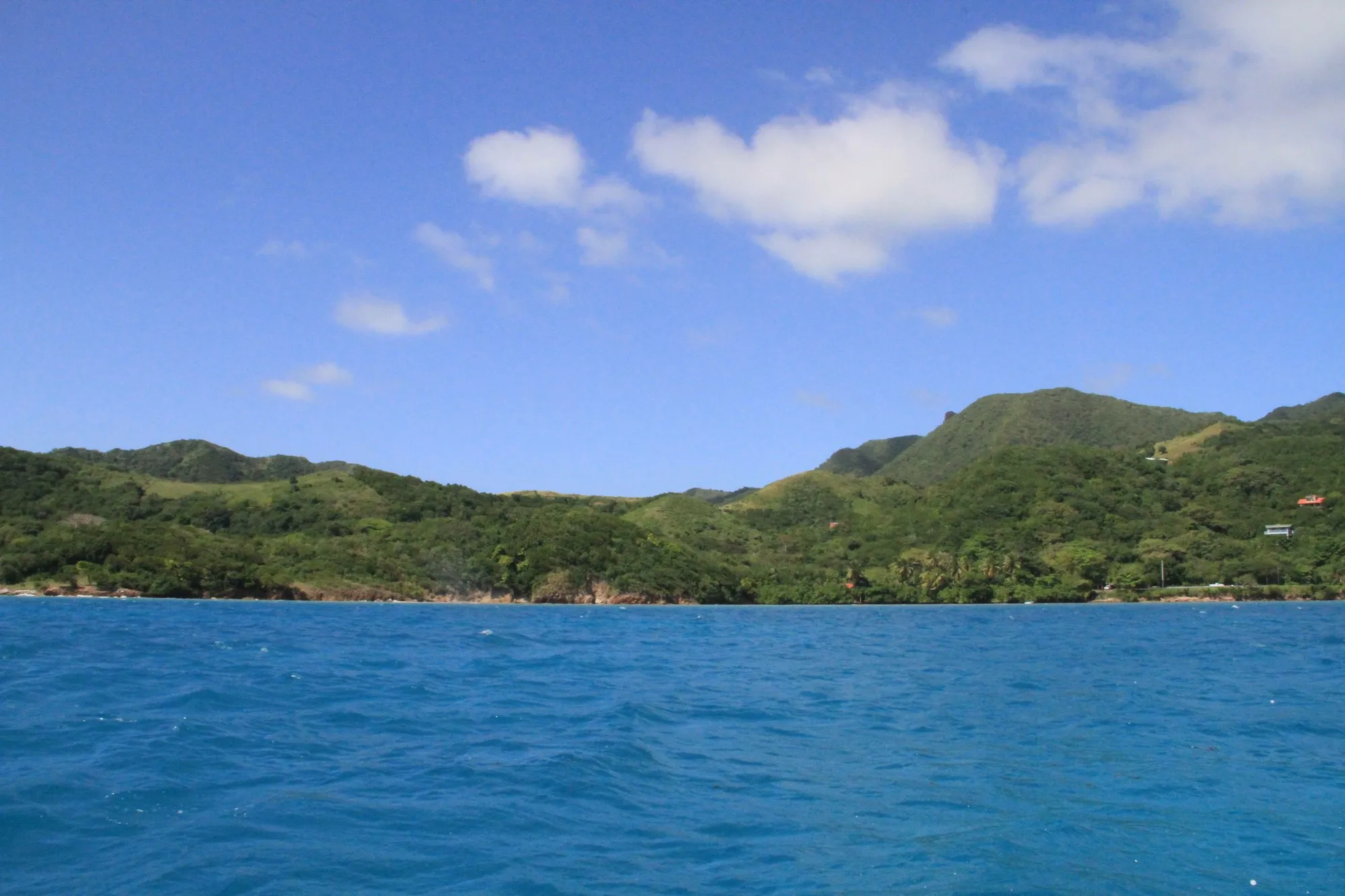 Felipe’s Place A coral platform that ends in a wall, with a natural tunnel and a submerged statue of Christ at about 24 m that PADI describes as damaged.
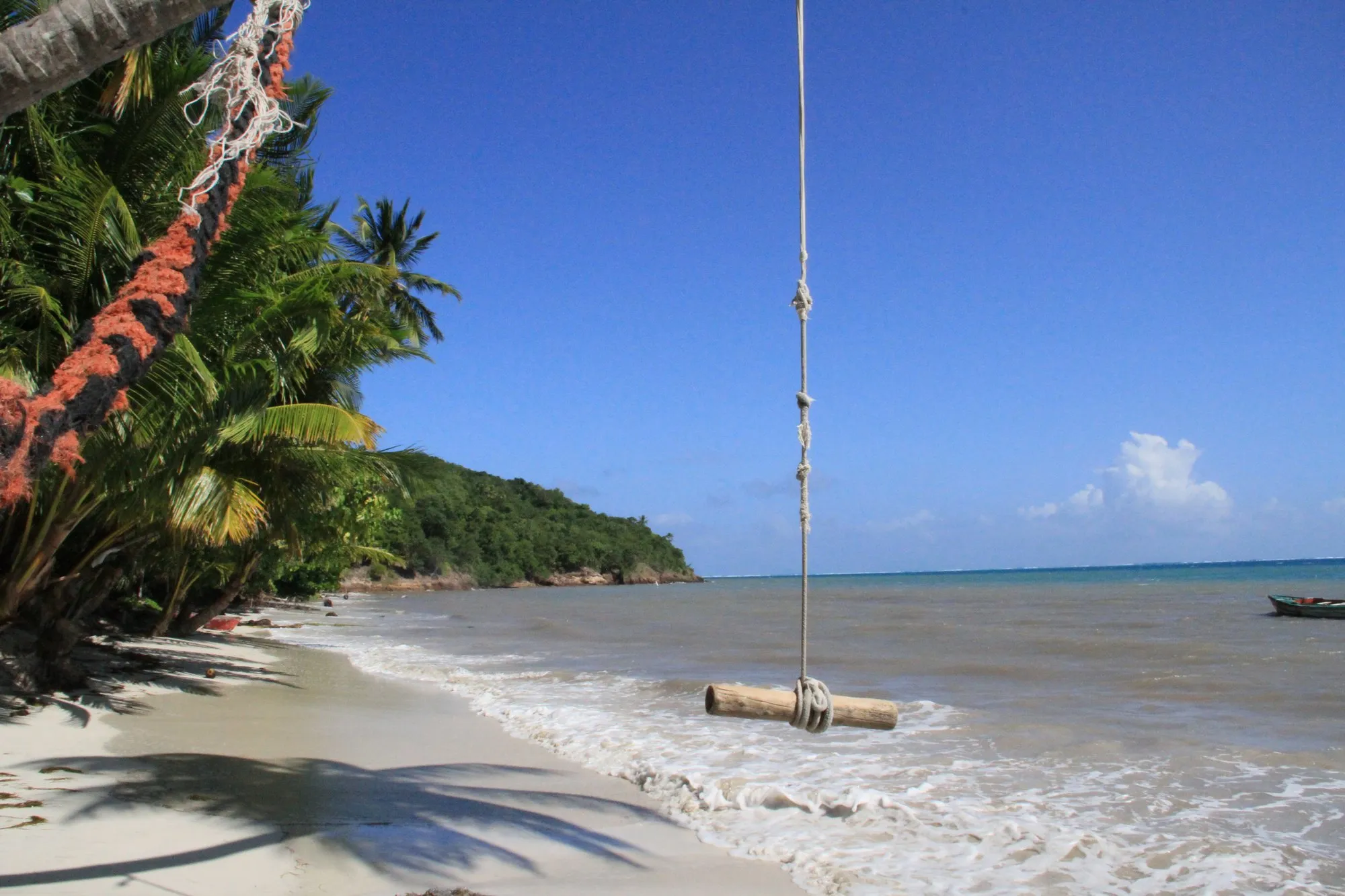 Tete’s Place A shallow reef of about 9 m that diving magazines describe as one of the fishiest sites in Providencia, with pillar coral and octocorals.
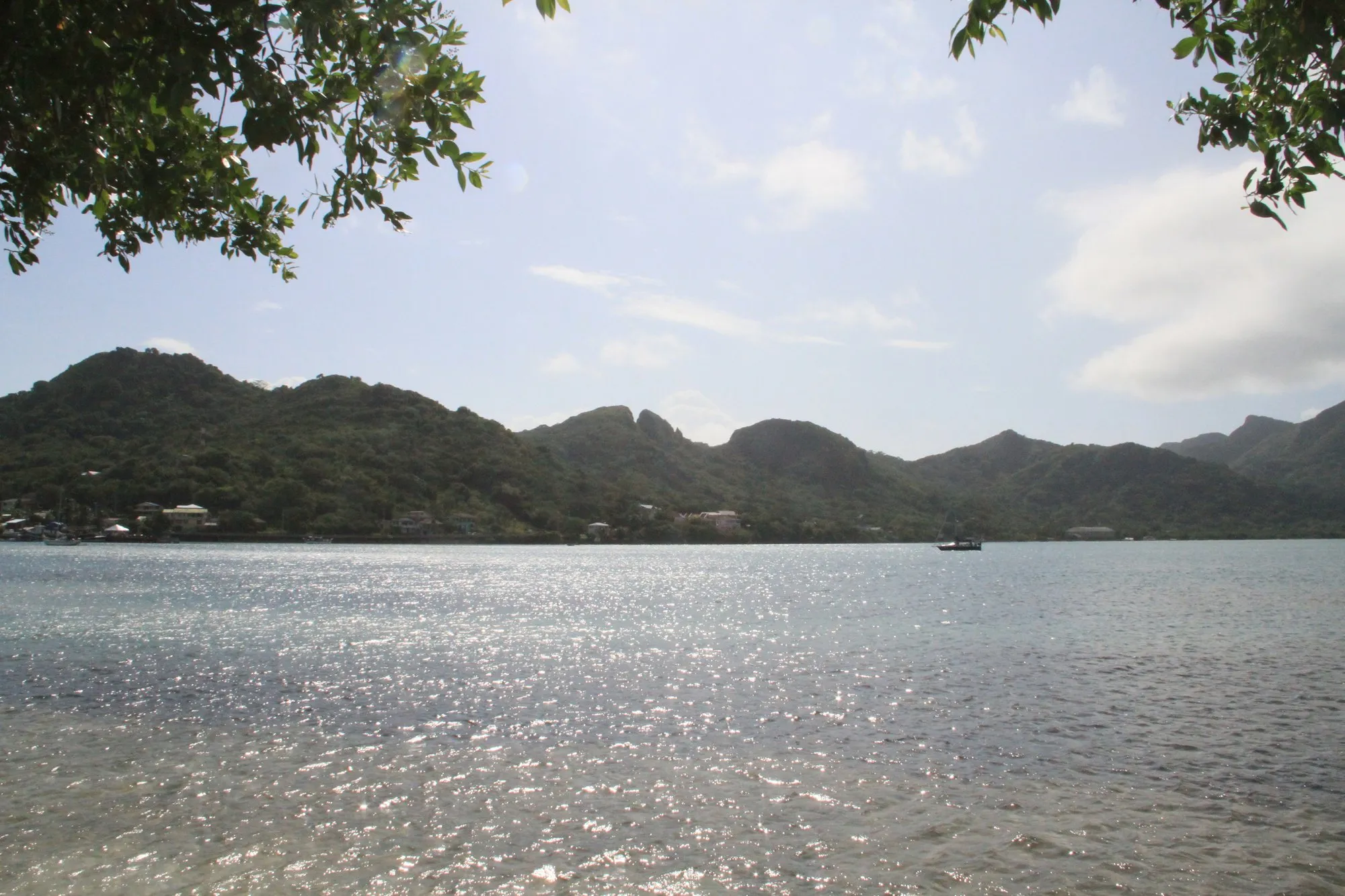 Manta’s City Patch reefs on sand at about 12 m, with stingrays, cushion sea stars and plenty of macro. The Spiral A tunnel that spirals down between about 24 and 35 m and a network of passages that ends among coral pillars. Confusion A wall with a ledge jutting out over the blue and encounters with reef sharks. El Planchón An upturned, almost intact hull covered in coral at the entrance to the harbour area. Bajo de San Felipe A shallow coral garden, 11 to 12 m at most, off Lazy Hill. Chromis Reef sharks over a forest of sea fans, near Manta’s City.
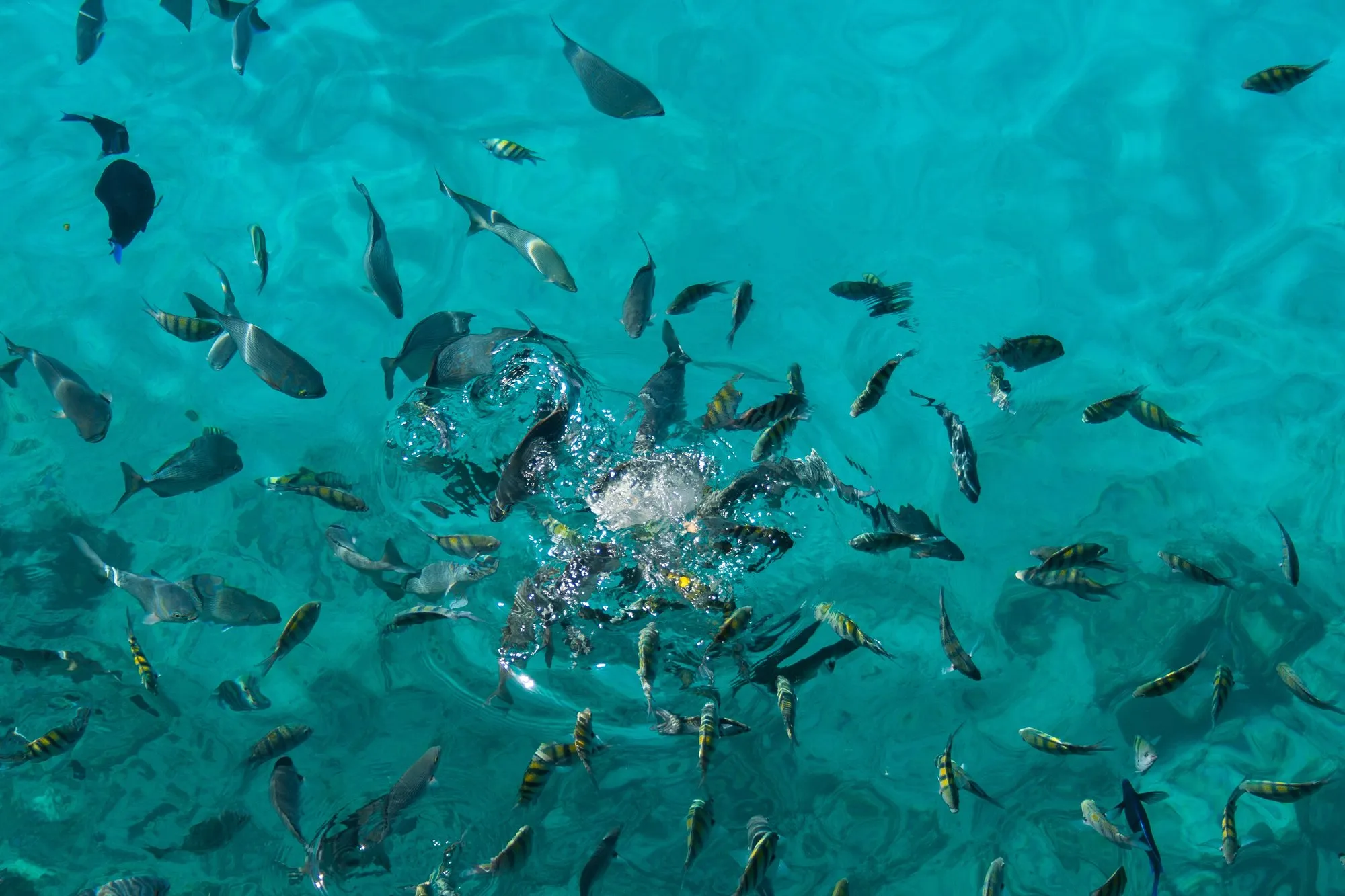 Blue Wall (La Pared Azul) The most famous dive in San Andrés: a wall on the east side of the island that starts a few metres down and disappears into the blue.
 Nirvana A simple reef full of life on the west coast, at around 14 m.
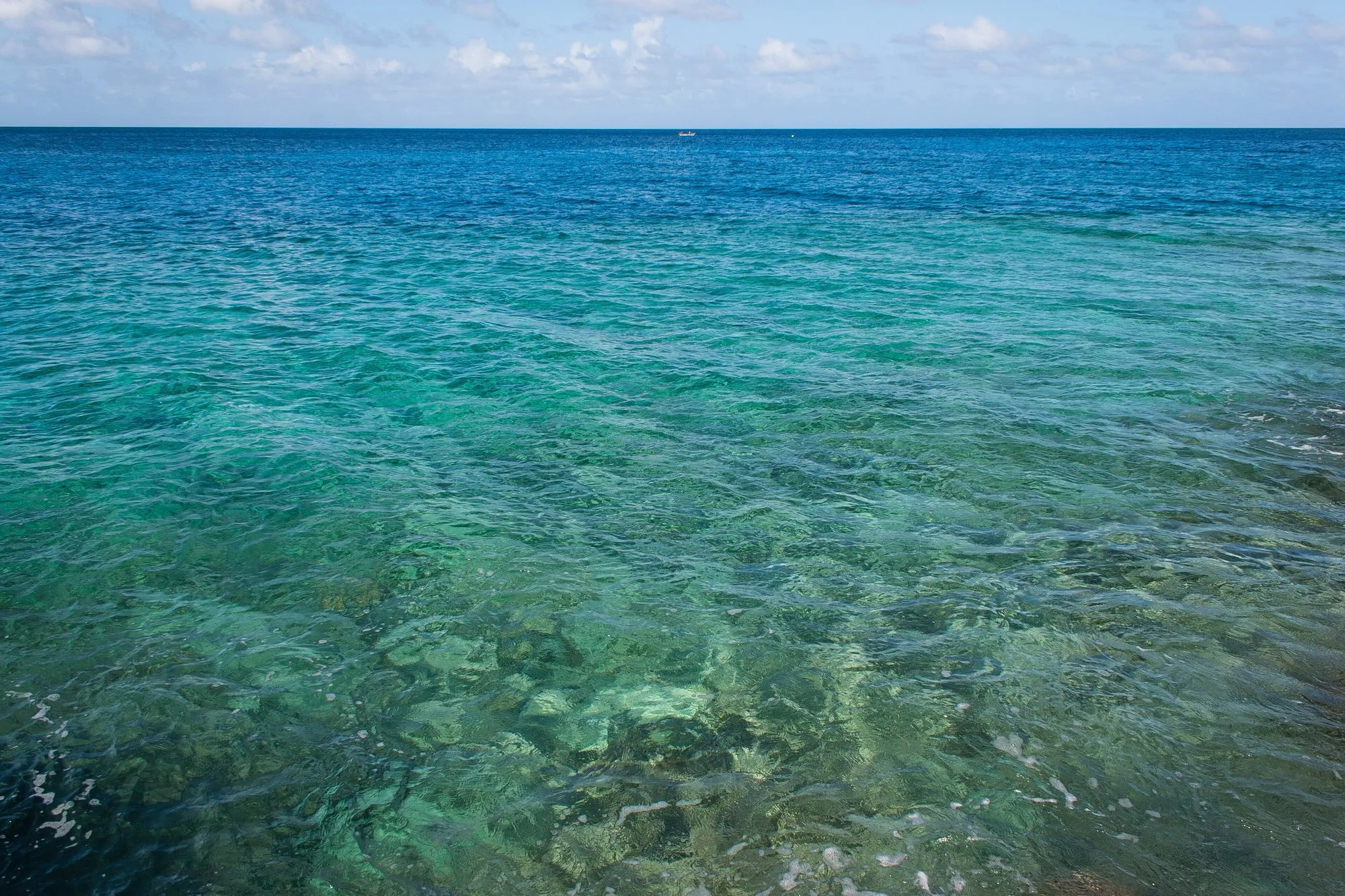 Trampa Tortuga (Trampa de Tortugas) An east-coast reef known for very clear water.
 La Pirámide (The Pyramids) A very shallow reef, around 4 m deep, at the northern tip of the island.
 West View y la estatua de Poseidón A natural pool on the west coast with a statue of Poseidon at around 8 to 9 m.
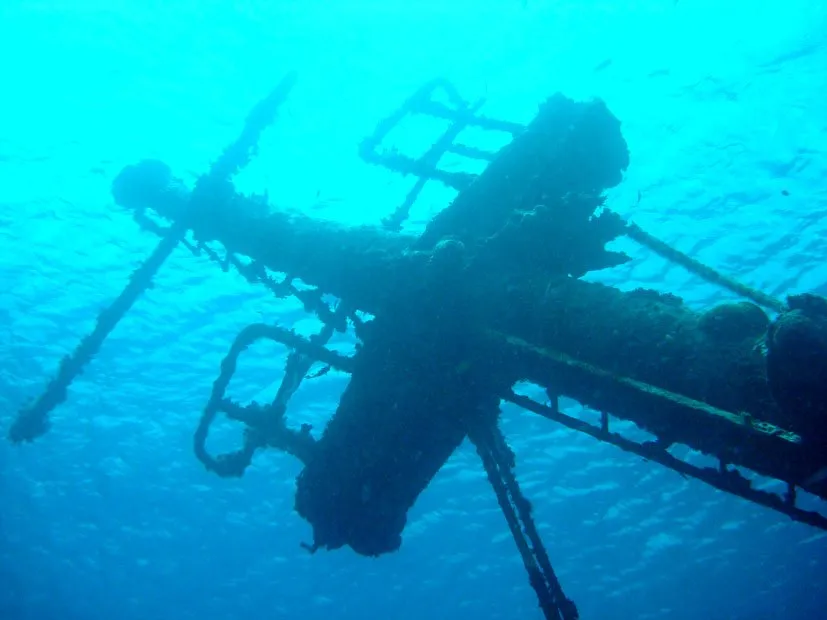
 Blue Diamond (naufragio) A cargo ship sunk off the west coast, now an artificial reef.
 Bajo Bonito A reef with sandy patches at around 15 m, the kind that invites you to slow down.
 Reggae Nest A reef on the west side, down to around 20 m, with coral described as being in very good condition.
Frequently asked questions
How deep is Turtle Rock?
The rock starts at around 23 m and a divers’ site profile gives a maximum of 40 to 43 m for the site. Your depth is set by the guide according to your certification and the conditions.
Can you see turtles at Turtle Rock?
The sources we’ve reviewed don’t mention them. What stands out at the site is the rock, the crevice around it and the black coral.
Do I need Advanced to dive Turtle Rock?
It’s recommended, ideally with the Deep Diver speciality, because the rock starts at around 23 m.
Save your place in the next group
Places are limited on purpose. Leave us your details and we’ll send you the dates, itinerary and price.
See the trip- No commitment, no payment
- We write to you personally with dates, programme and price
- Your details are only used to reply to you