
Diving Tete’s Place, Providencia
If you’re after fish, Tete’s Place is probably your site. Scuba Diving magazine described it as the fishiest site in Providencia, with big shoals, pillar coral and octocorals. It’s a shallow reef, about 9 m deep, where dives stretch out without any rush and where a newly certified diver feels at ease.
Depth: About 9 m
Get the details- Island
- Providencia
- Level
- Beginner
- Type of dive
- Shallow reef with crevices
- Ideal for
- Beginners and shoal photography
Site profile
What the dive at Tete’s Place is like
Tete’s Place is a shallow reef. A 2010 Scuba Diving article listed it among the Providencia sites with caves and crevices, so as well as open reef there are nooks to explore at leisure. Its exact location off the island isn’t documented in public sources; the person taking you there by boat knows it.
Because it’s shallow, the dive tends to be long and relaxed. It’s a good way to start the trip or to round off a day of deeper dives.
What you’ll see
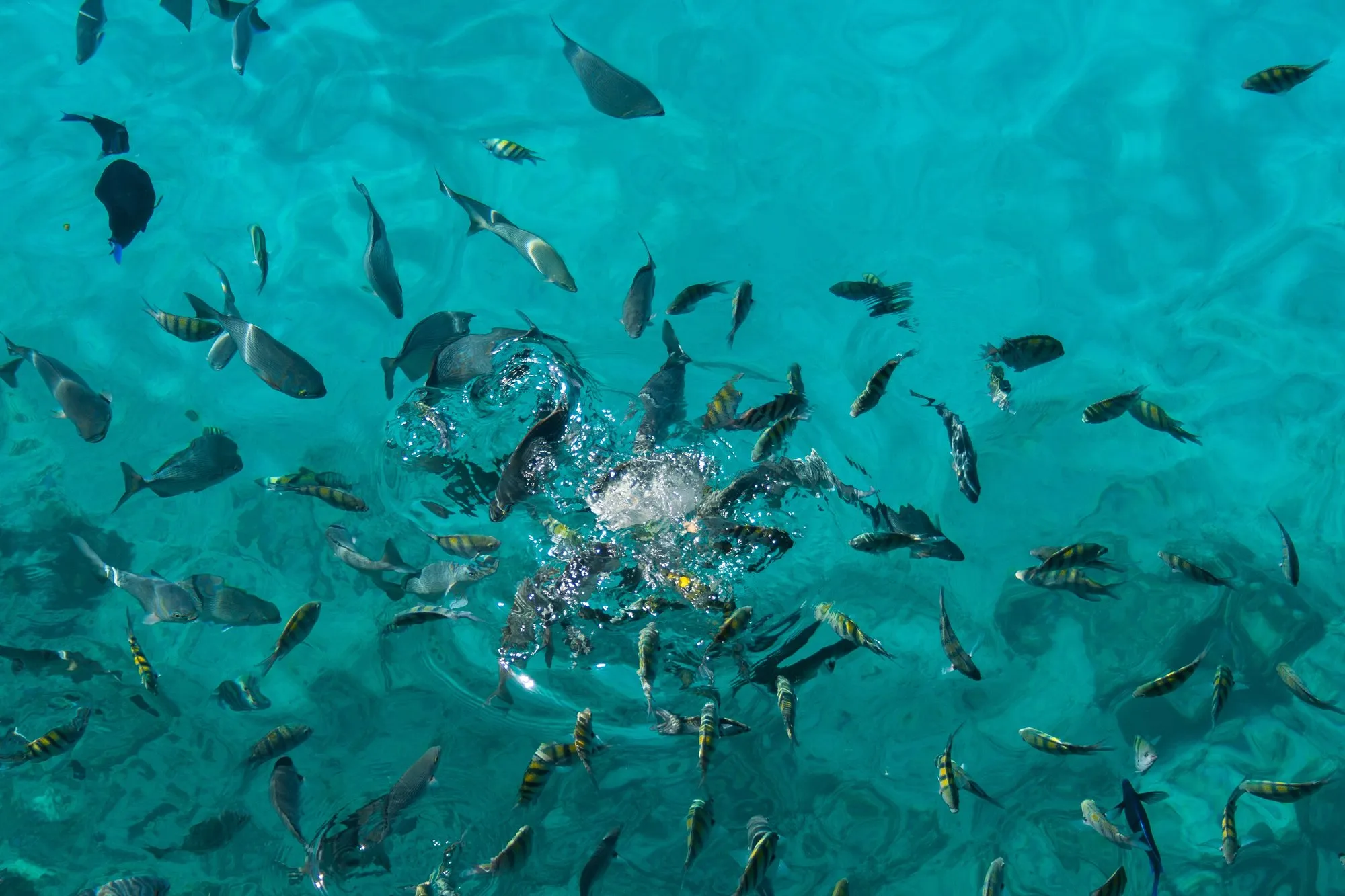
Fish, first and foremost: big, mixed shoals. A diver who visited the site in 2024 described a mixed shoal of grunts, and another in 2016 noted high-hats, lantern bass, a spotted moray, yellowtail snapper, shoals of squirrelfish and a slipper lobster.
Among the corals, the highlights are pillar coral, which grows in vertical columns, and octocorals. No sighting is guaranteed, but at a site like this it’s hard to come up without having seen plenty.
Level, depth and conditions
At about 9 m deep, one dive site listing marks it as suitable for beginners. It works for Open Water divers and for anyone who hasn’t dived for a while and wants to get back into it. Visibility in Providencia is usually between 20 and 30 m, although it drops with swell or after rain.
The water is around 27 °C from January to March and 29 to 30 °C in September and October, according to the archipelago’s averages.
Tete’s Place on your trip to Providencia
Providencia has around ten dive sites about 15 minutes by boat from the shore, according to Scuba Diving (2025). On Siete Azules trips the guide chooses the sites each day according to the sea, the current and the group’s level, so we can’t promise a particular site, but a shallow reef like this fits into almost any plan.
What you’ll see
-
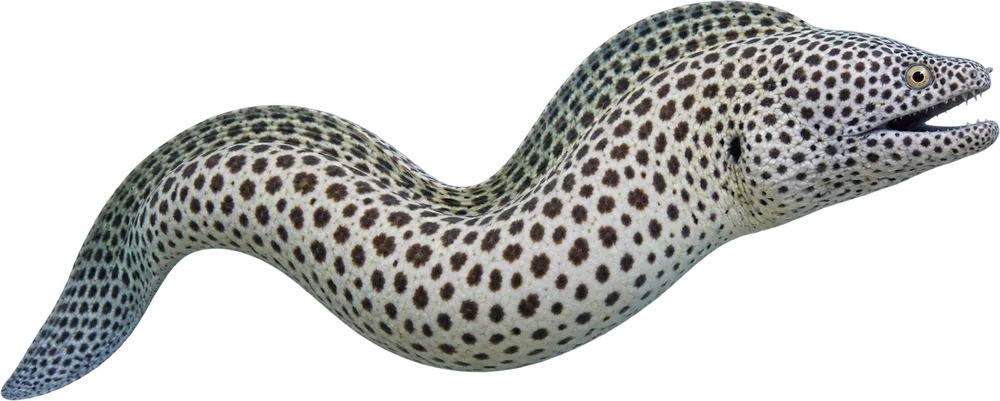 Spotted moray
- Big mixed shoals
- Grunts
- Schooling squirrelfish
- Yellowtail snapper
- Spotted moray
- Slipper lobster
- Lantern bass
- Pillar coral and octocorals
AI-generated image, for illustration
More dive sites
 Felipe’s Place A coral platform that ends in a wall, with a natural tunnel and a submerged statue of Christ at about 24 m that PADI describes as damaged.
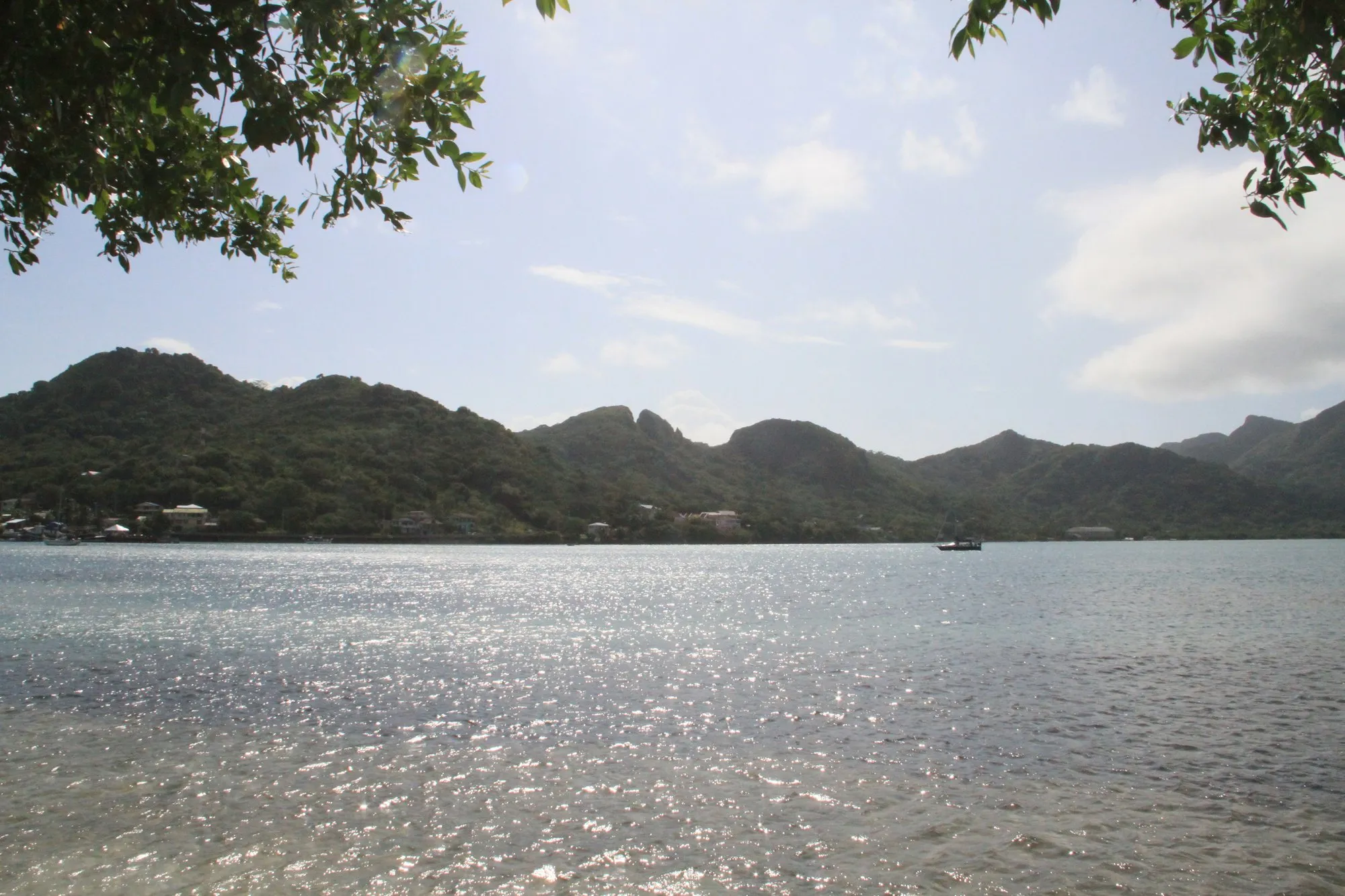 Manta’s City Patch reefs on sand at about 12 m, with stingrays, cushion sea stars and plenty of macro.
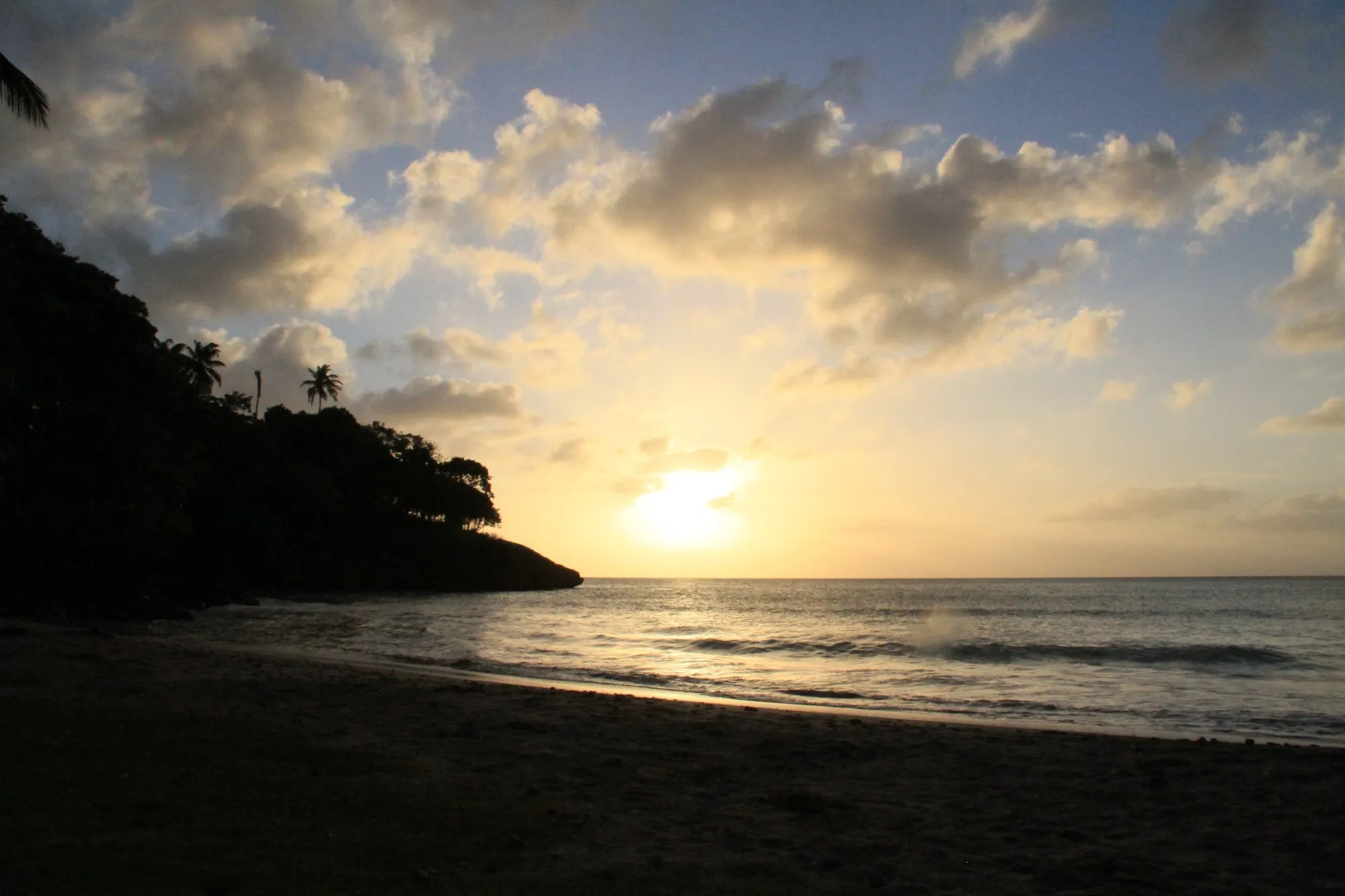 Turtle Rock A large rock separated from the wall by a deep crevice, with black coral. The Spiral A tunnel that spirals down between about 24 and 35 m and a network of passages that ends among coral pillars. Confusion A wall with a ledge jutting out over the blue and encounters with reef sharks. El Planchón An upturned, almost intact hull covered in coral at the entrance to the harbour area. Bajo de San Felipe A shallow coral garden, 11 to 12 m at most, off Lazy Hill. Chromis Reef sharks over a forest of sea fans, near Manta’s City.
 Blue Wall (La Pared Azul) The most famous dive in San Andrés: a wall on the east side of the island that starts a few metres down and disappears into the blue.
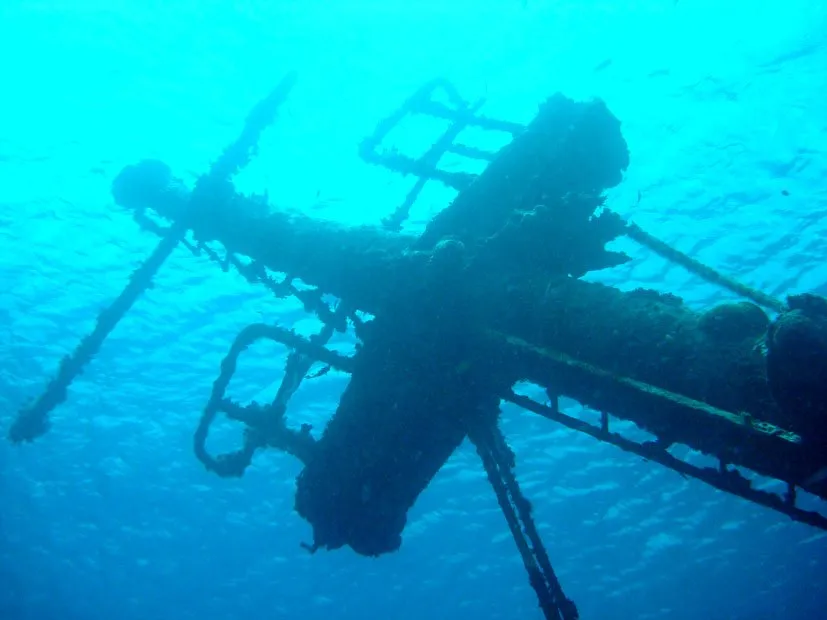 Nirvana A simple reef full of life on the west coast, at around 14 m.
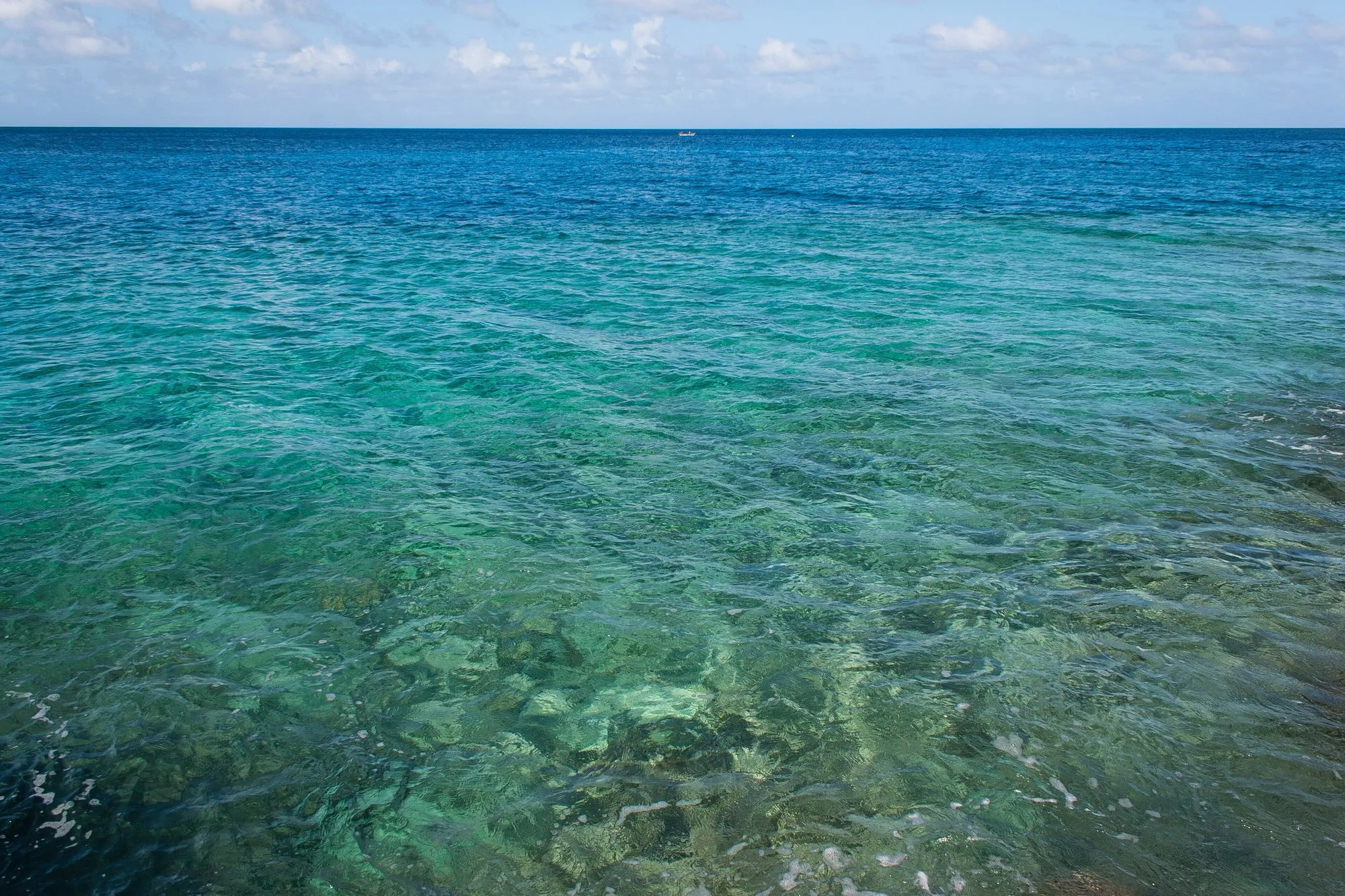 Trampa Tortuga (Trampa de Tortugas) An east-coast reef known for very clear water.
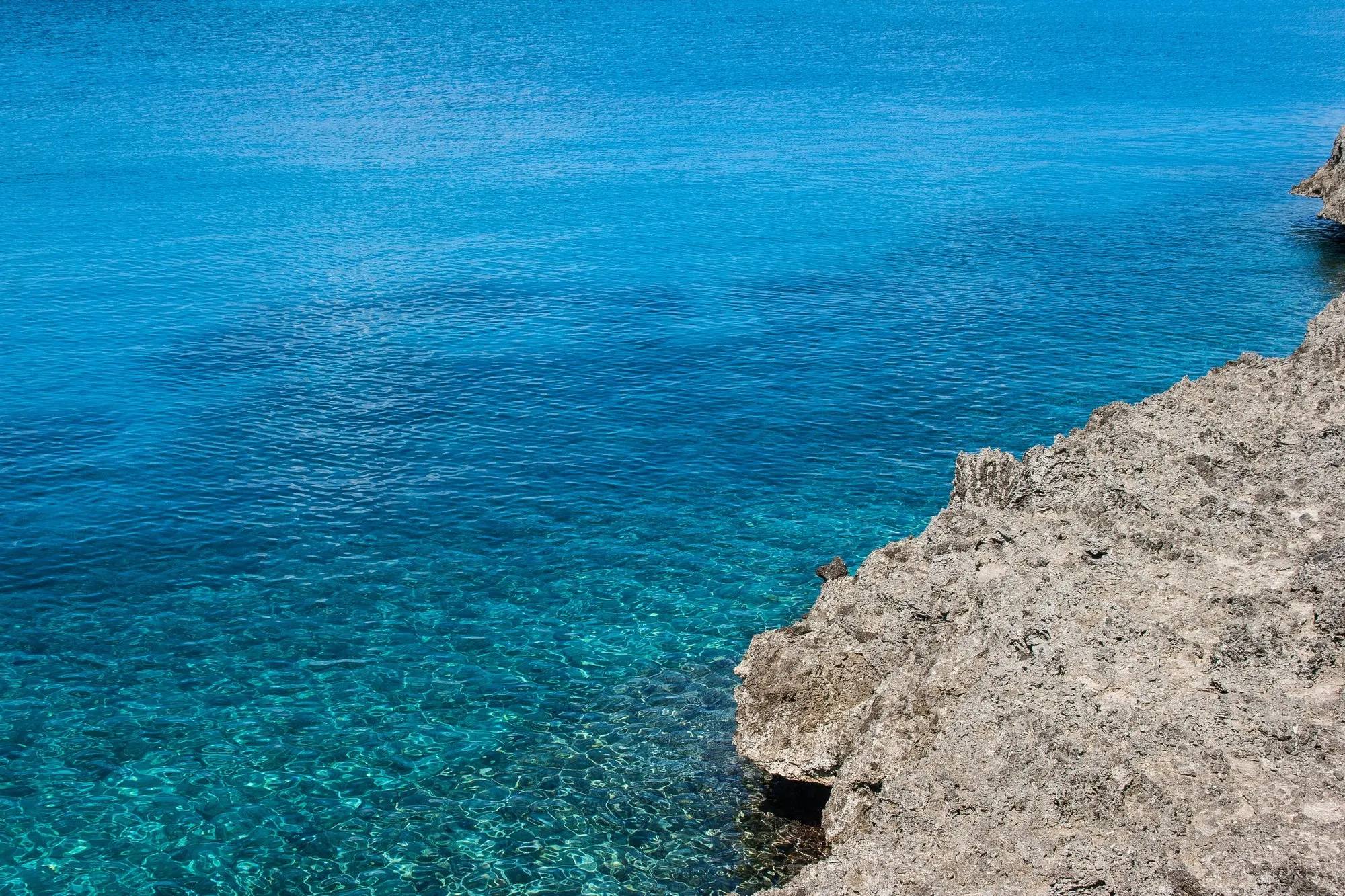 La Pirámide (The Pyramids) A very shallow reef, around 4 m deep, at the northern tip of the island.
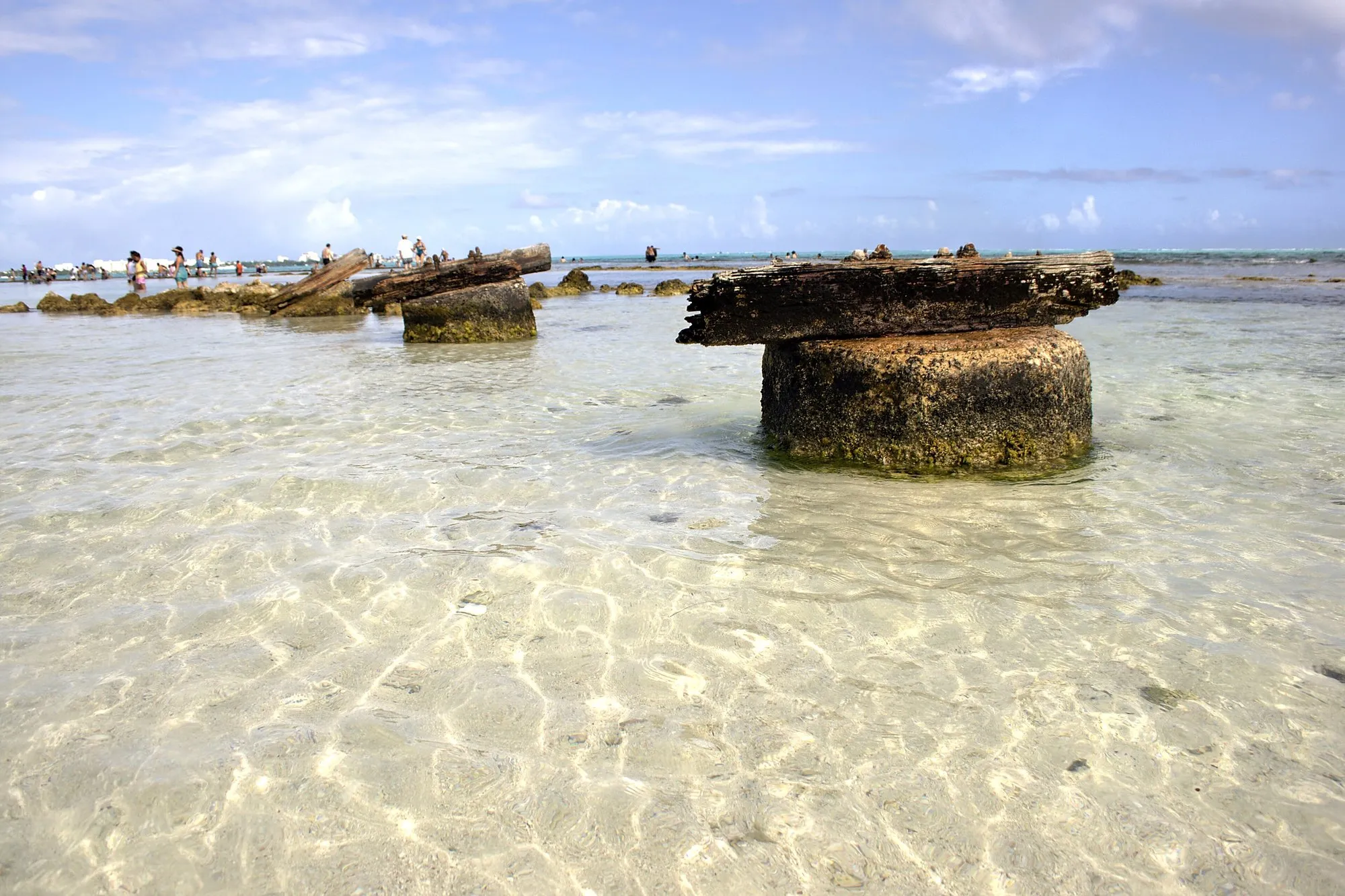 West View y la estatua de Poseidón A natural pool on the west coast with a statue of Poseidon at around 8 to 9 m.
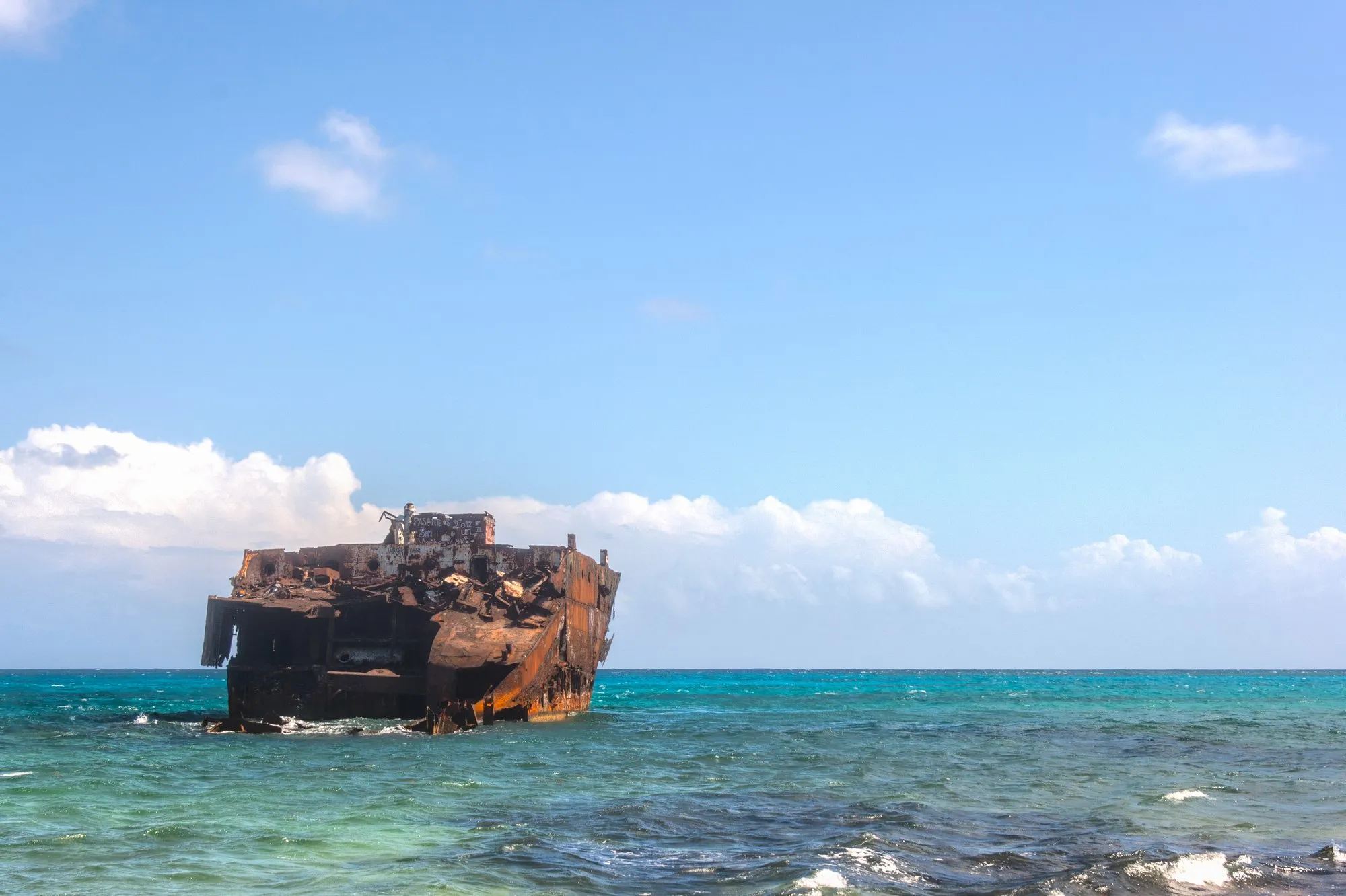
 Blue Diamond (naufragio) A cargo ship sunk off the west coast, now an artificial reef.
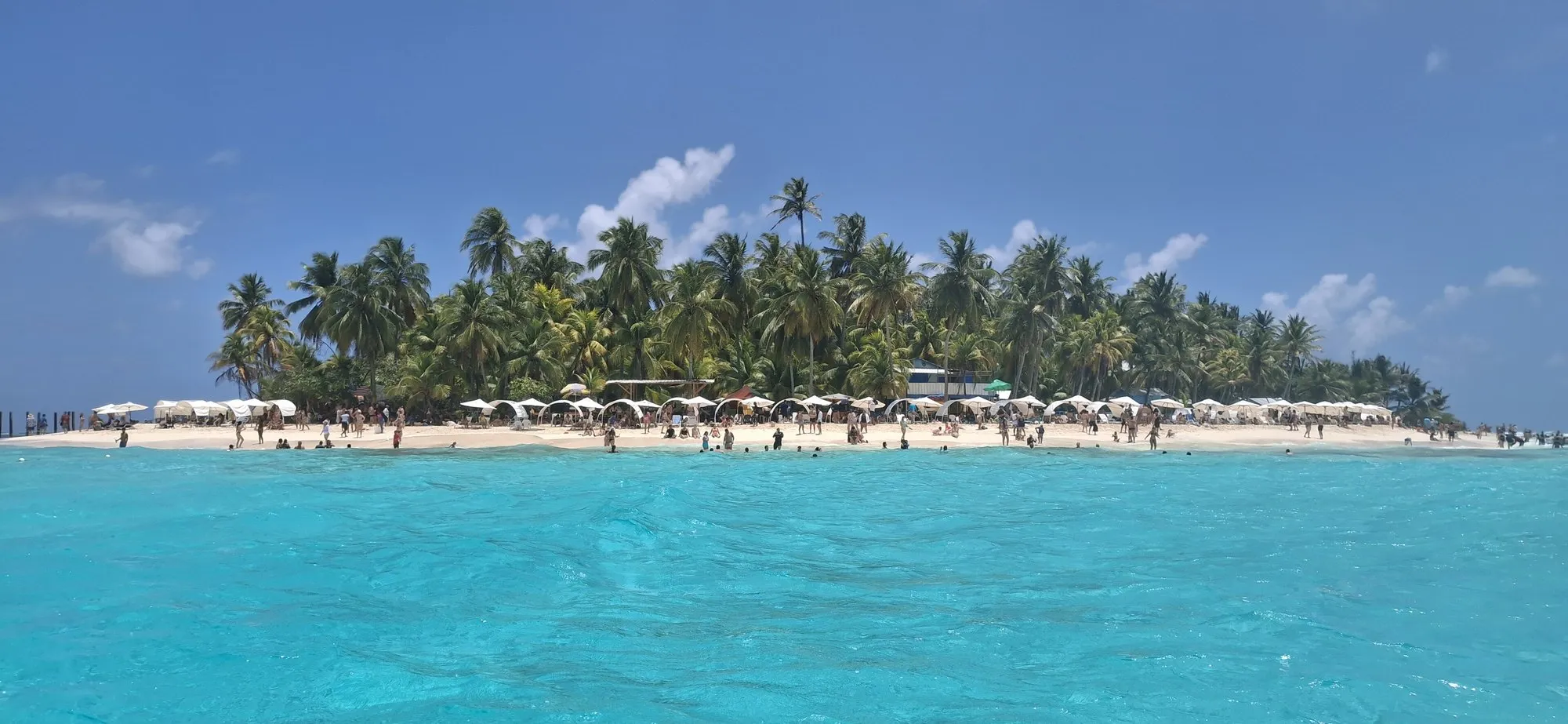
 Bajo Bonito A reef with sandy patches at around 15 m, the kind that invites you to slow down.
 Reggae Nest A reef on the west side, down to around 20 m, with coral described as being in very good condition.
Frequently asked questions
Is Tete’s Place suitable for beginners?
Yes. At about 9 m deep it’s one of the easiest sites in Providencia, and one dive site listing classes it as suitable for beginners.
What fish can you see at Tete’s Place?
Mainly shoals of grunts, squirrelfish and yellowtail snapper, as well as morays, lantern bass and slipper lobsters. No sighting is guaranteed.
Save your place in the next group
Places are limited on purpose. Leave us your details and we’ll send you the dates, itinerary and price.
See the trip- No commitment, no payment
- We write to you personally with dates, programme and price
- Your details are only used to reply to you