
Diving Trampa Tortuga, the clear-water reef of San Andrés
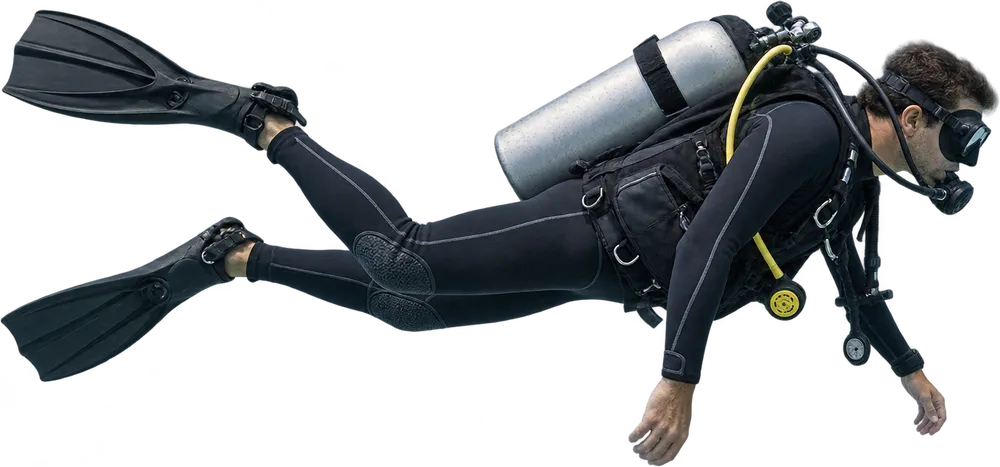
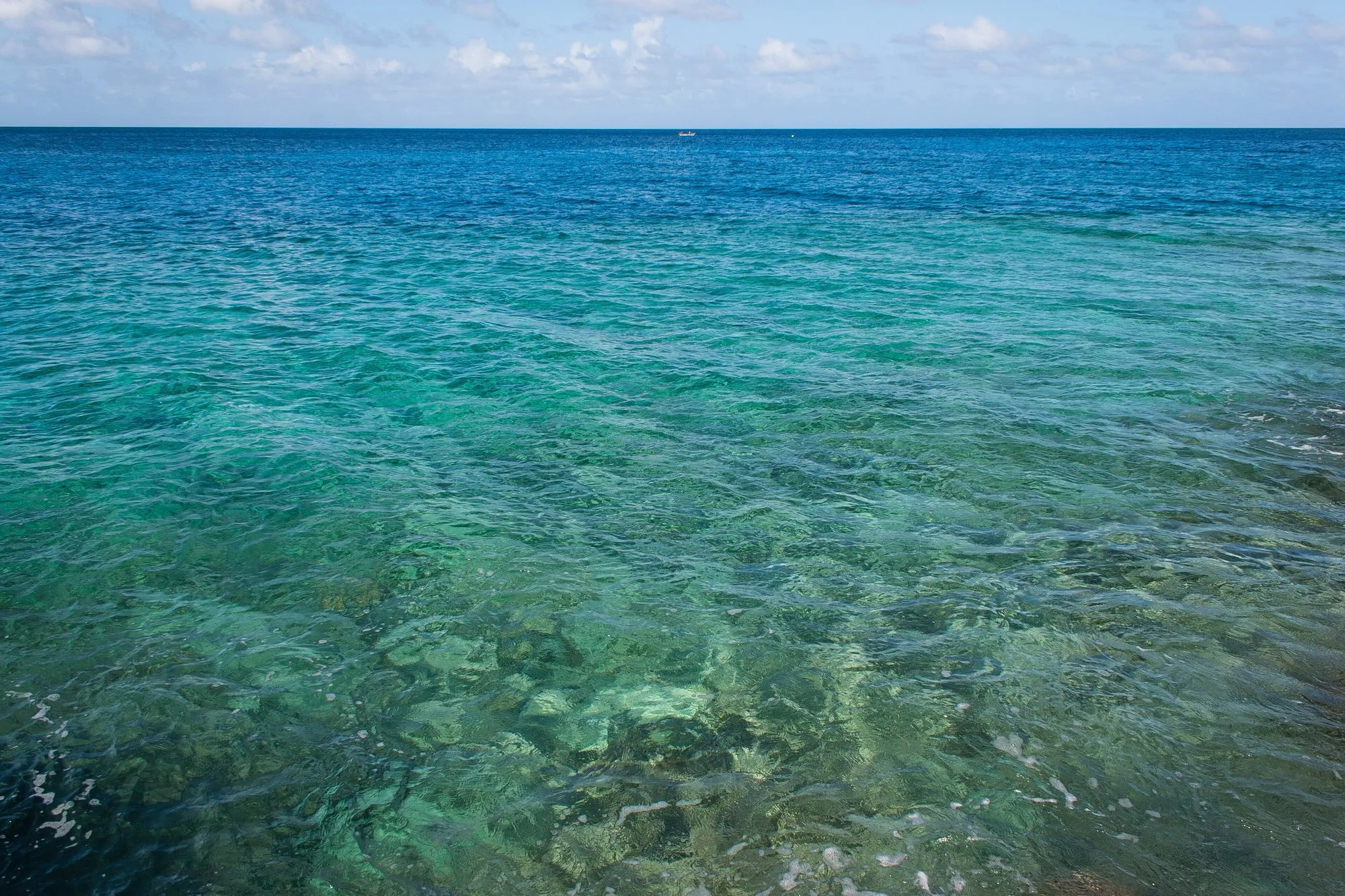
Trampa Tortuga, also called Trampa de Tortugas, is a reef on the east coast of San Andrés known above all for its visibility: on good days, more than 30 m of clear water has been described. It’s a dive that lends itself to changing depth as you go, with moray eels, lobsters and rays along the way, and it asks for a little more confidence than the island’s easiest reefs.
Depth: 14 to 19 m approx.
Get the details- Island
- San Andrés
- Level
- Intermediate, with experience
- Type of dive
- Multilevel reef
- Ideal for
- Visibility and photography
Site profile
What the dive is like
It’s a reef you explore at several depths. The most quoted figure is around 14 to 15 m, and divers have logged maximums of around 19 m on dives of just over 40 minutes. The appeal lies in the clarity of the water, which lets you see the reef from a distance.
What you’ll see
Moray eels in the cracks, lobsters and rays are what get mentioned most. With patience, seahorses may appear, and some people say they’ve seen dolphins, although that’s pure luck. Lionfish are also easy to spot, as they’re abundant around the island; local dive centres hunt them.
Level, depth and conditions
Sources don’t agree on the level: some consider it intermediate and others keep it for more experienced divers. The honest answer is that it’s for certified divers who already have a few dives behind them and good buoyancy control. The depth depends on the exact spot and the conditions on the day; the guide will tell you the maximum before you go in.
When to dive
You can dive here all year round. It’s on the east coast, the side that takes the wind, so the state of the sea weighs on the decision; from January to May there are usually more calm days. Rain and swell reduce the visibility, which is exactly what makes this site special. On a Siete Azules trip it’s decided day by day according to the sea, the current and the group’s level.
What you’ll see
-
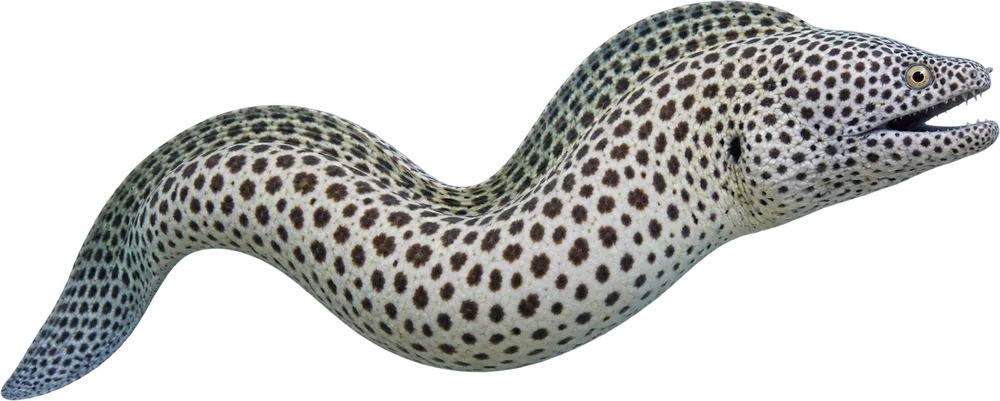 Spotted moray
-
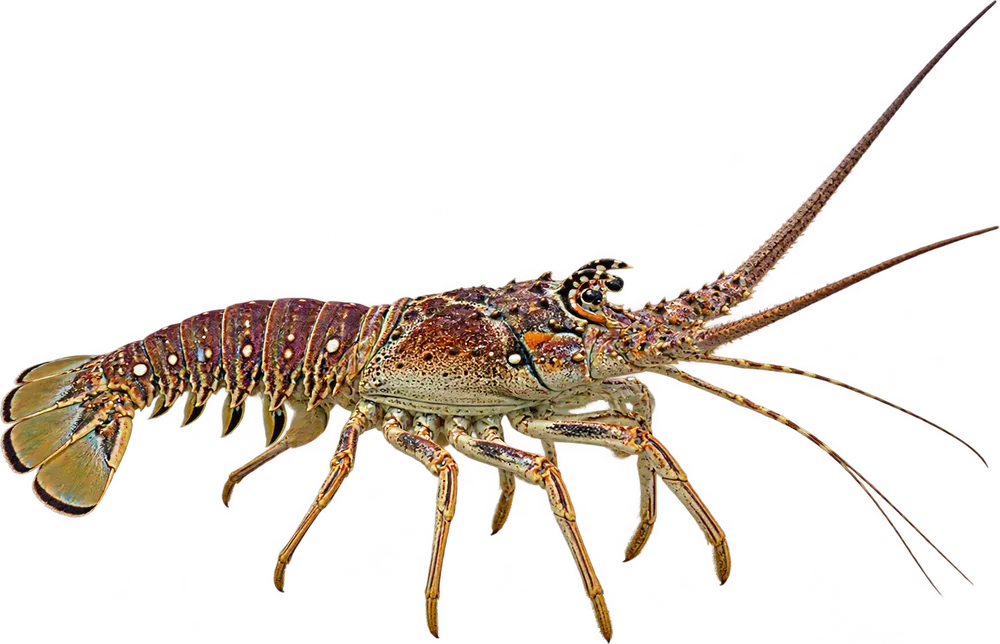 Caribbean spiny lobster
-
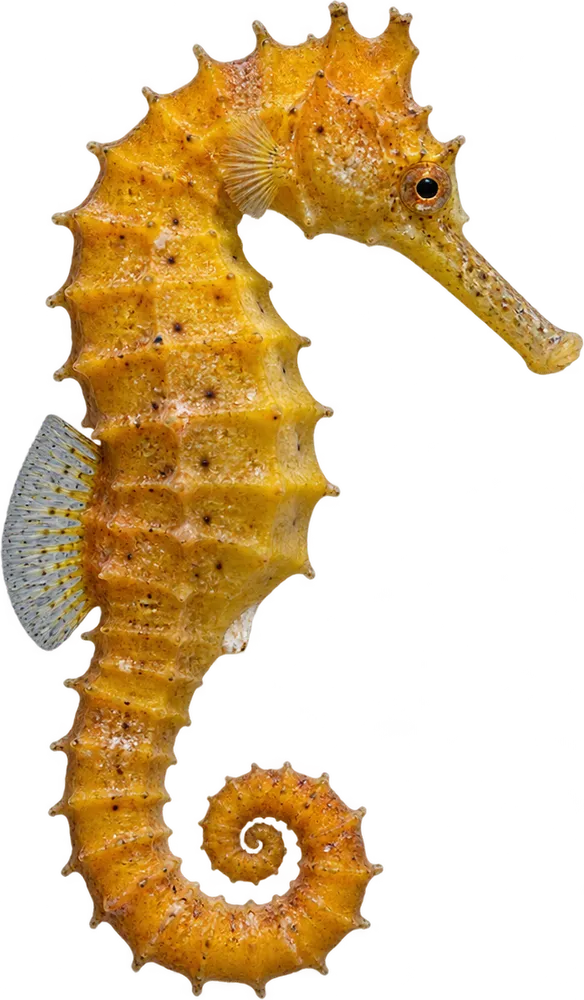 Seahorse
-
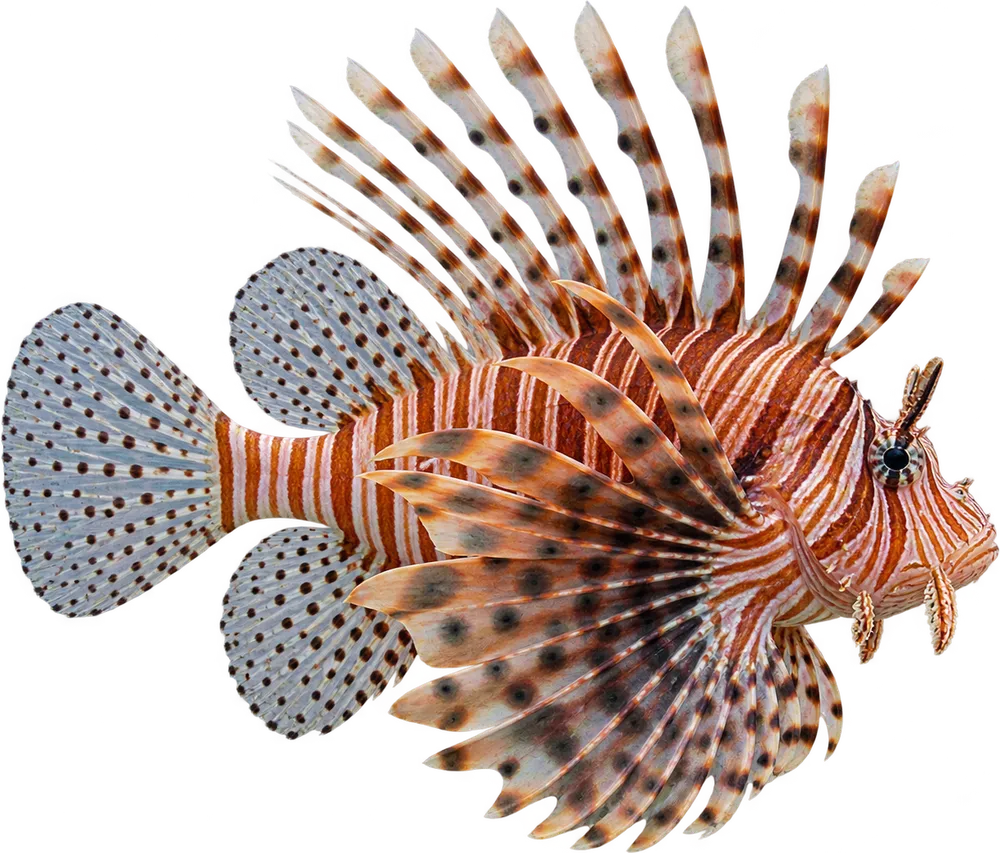 Lionfish (invasive species)
-
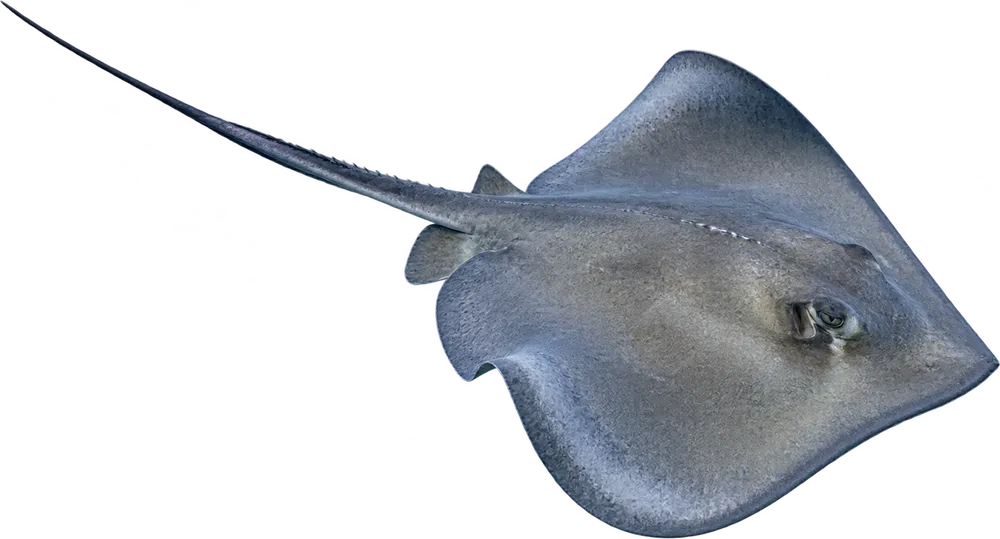 Southern stingray
- Moray eels
- Lobsters
- Rays
- Seahorses, with luck
- Lionfish
AI-generated image, for illustration
More dive sites
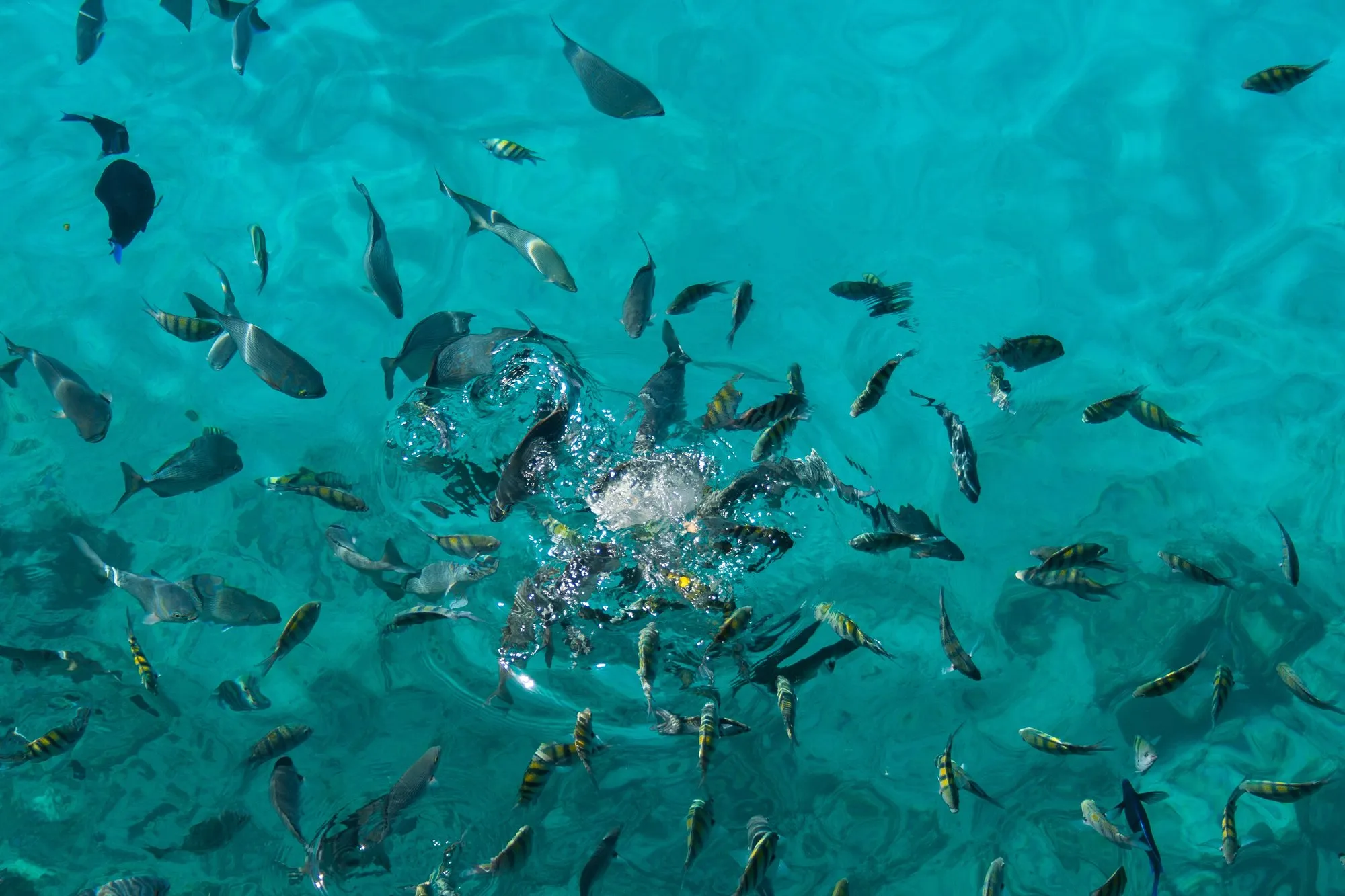 Blue Wall (La Pared Azul) The most famous dive in San Andrés: a wall on the east side of the island that starts a few metres down and disappears into the blue.
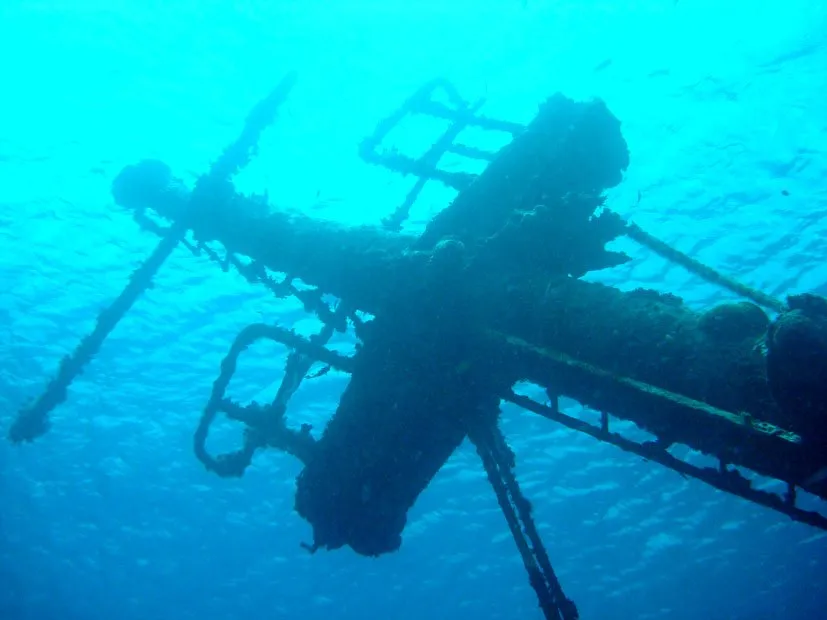 Nirvana A simple reef full of life on the west coast, at around 14 m.
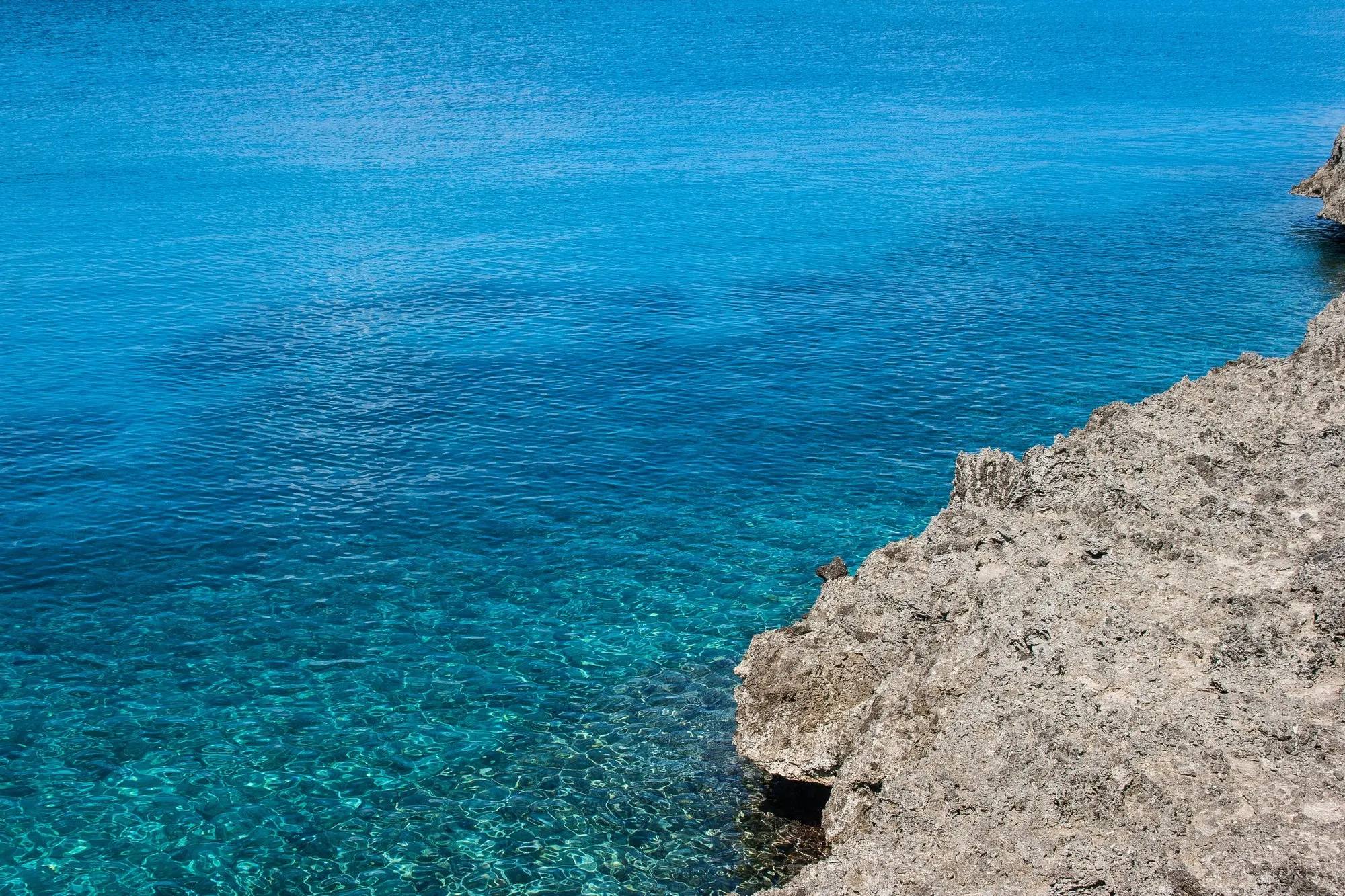 La Pirámide (The Pyramids) A very shallow reef, around 4 m deep, at the northern tip of the island.
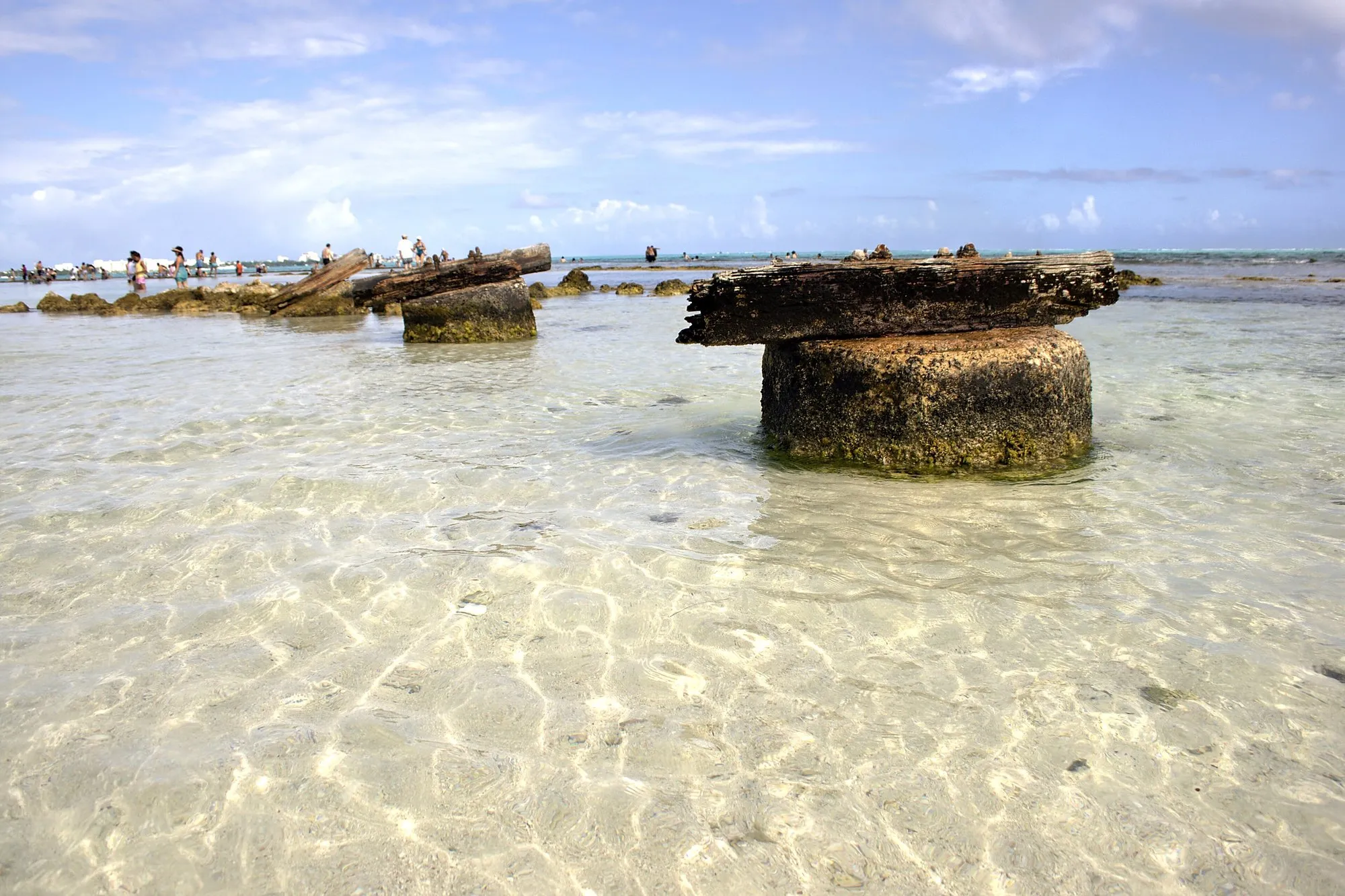 West View y la estatua de Poseidón A natural pool on the west coast with a statue of Poseidon at around 8 to 9 m.
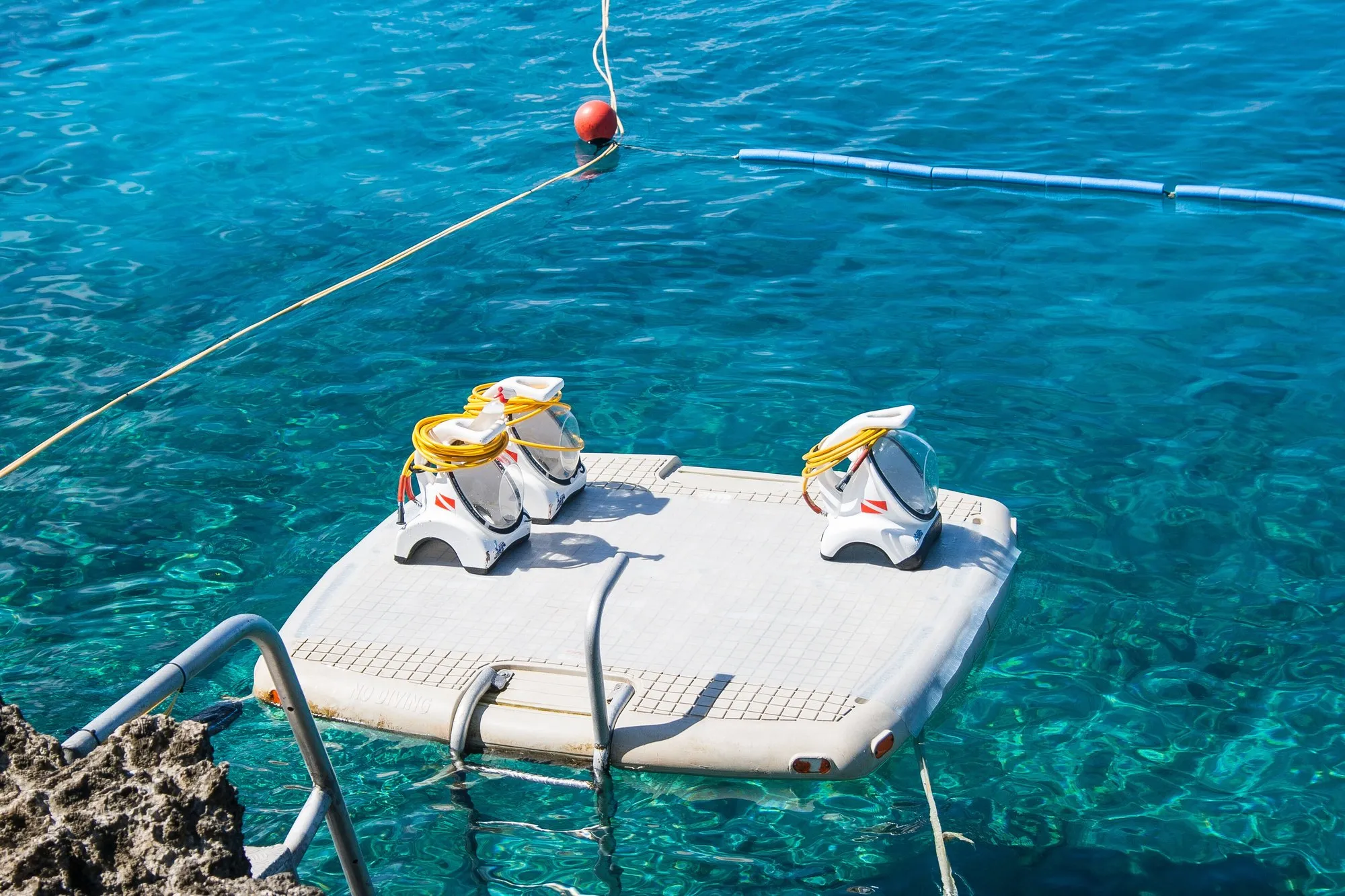 Blue Diamond (naufragio) A cargo ship sunk off the west coast, now an artificial reef.
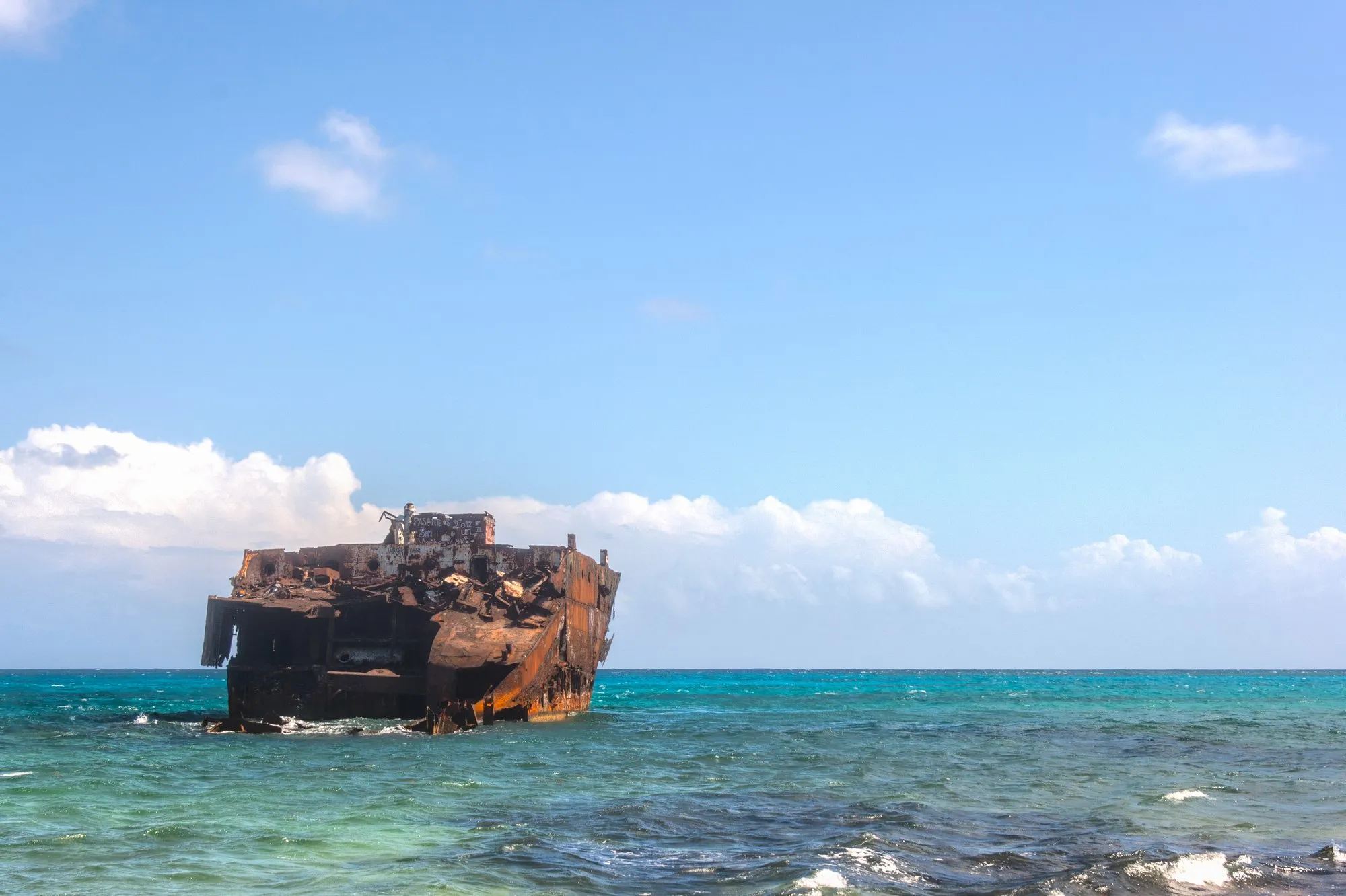 Bajo Bonito A reef with sandy patches at around 15 m, the kind that invites you to slow down.
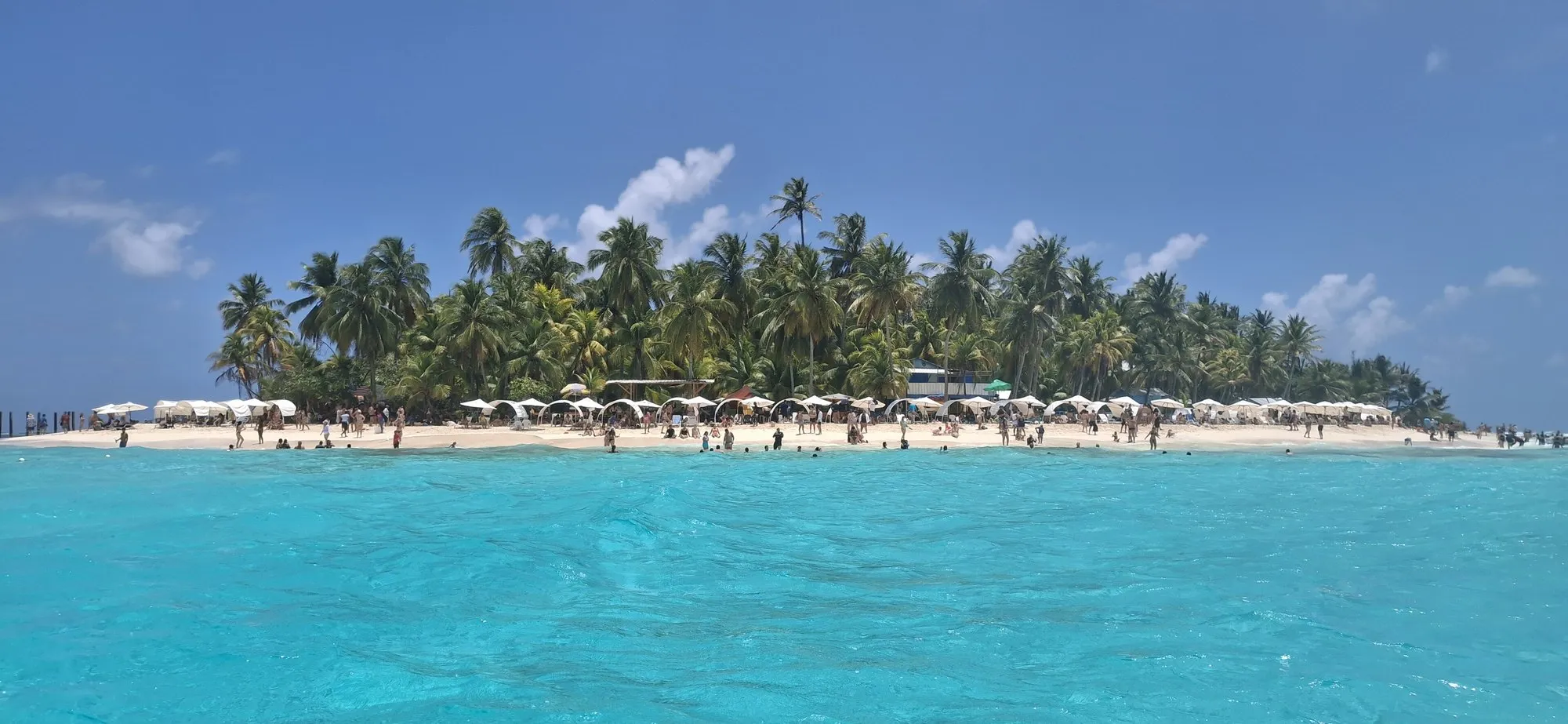 Reggae Nest A reef on the west side, down to around 20 m, with coral described as being in very good condition.
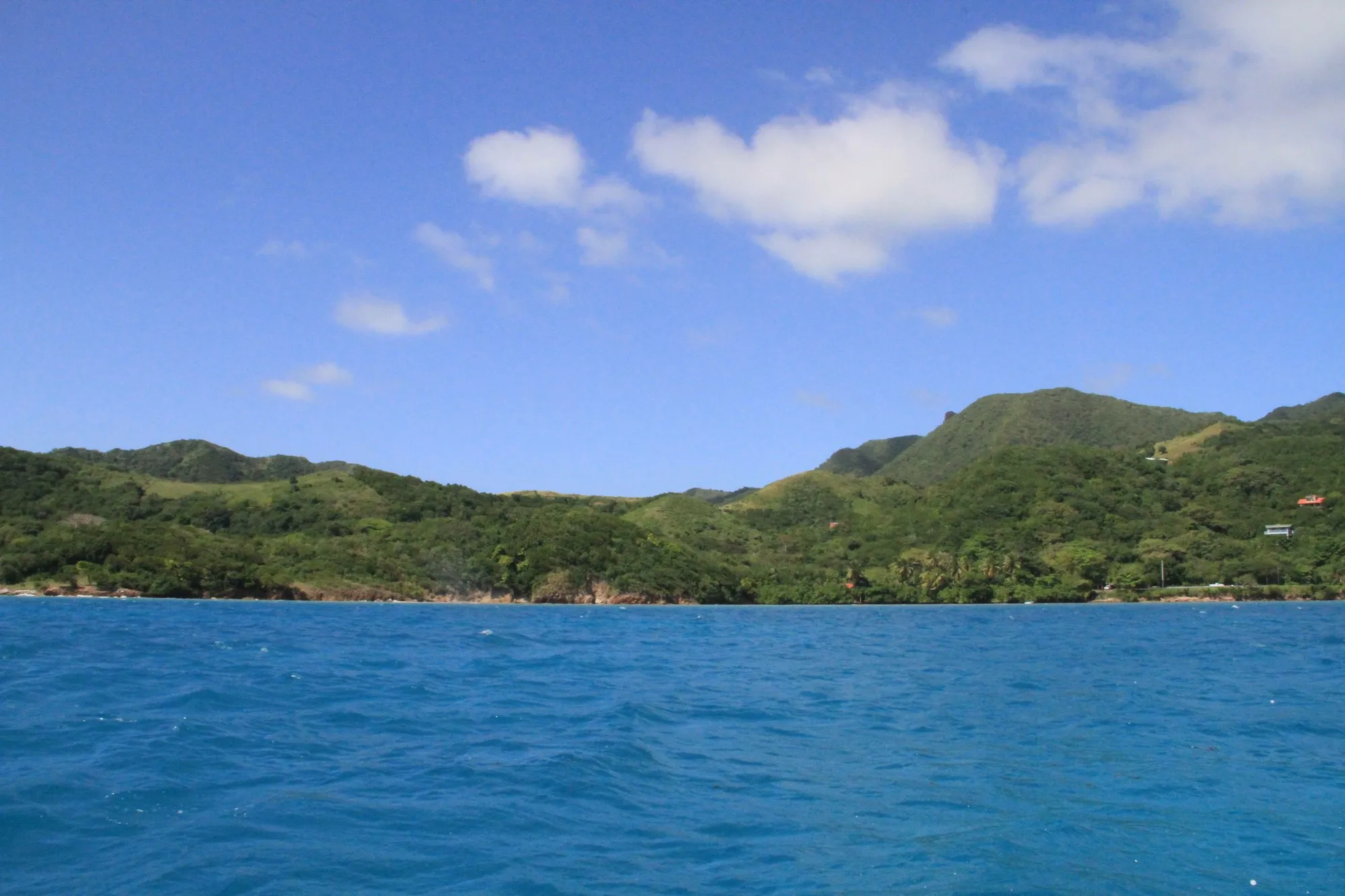 Felipe’s Place A coral platform that ends in a wall, with a natural tunnel and a submerged statue of Christ at about 24 m that PADI describes as damaged.
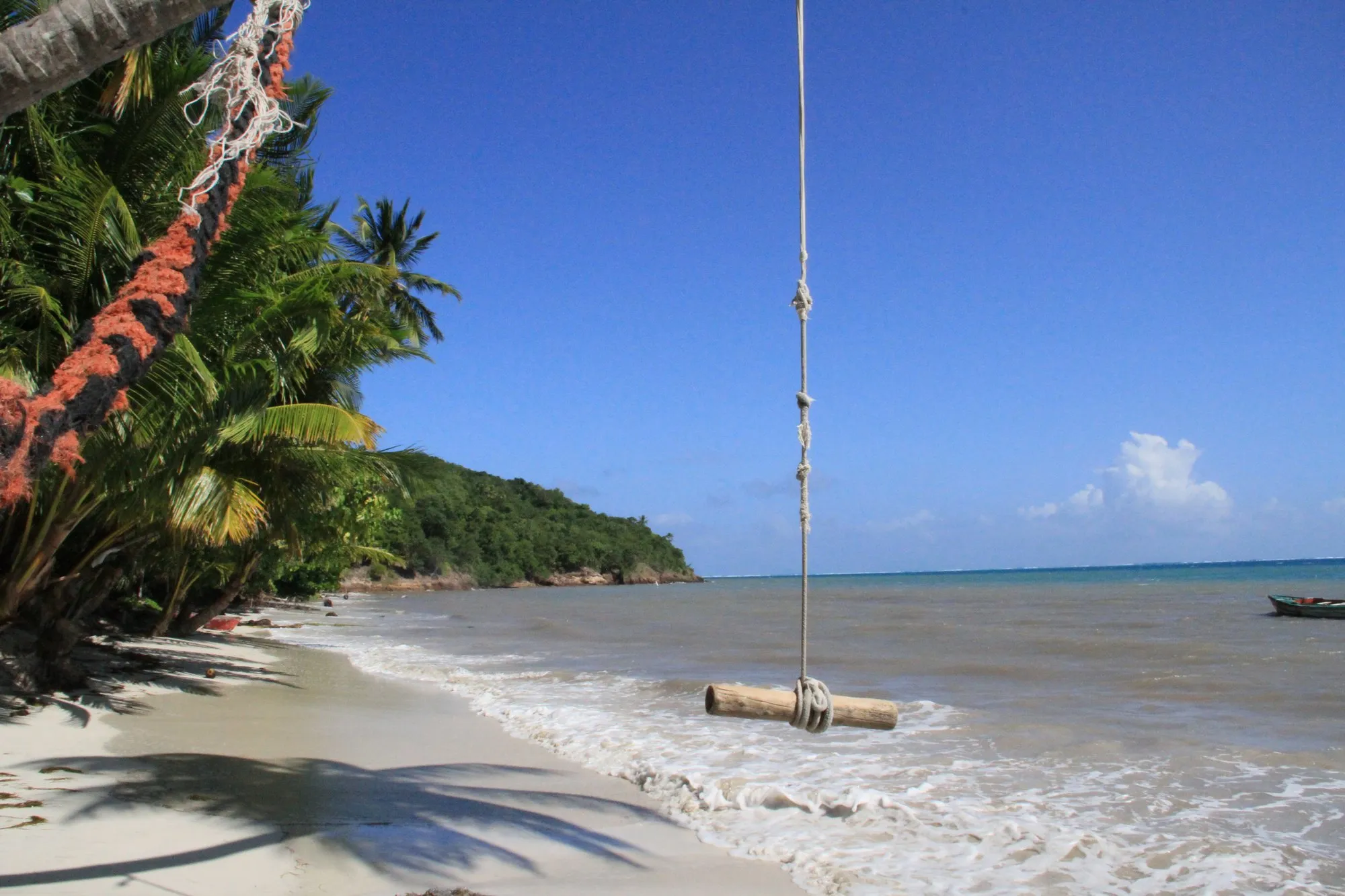 Tete’s Place A shallow reef of about 9 m that diving magazines describe as one of the fishiest sites in Providencia, with pillar coral and octocorals.
 Manta’s City Patch reefs on sand at about 12 m, with stingrays, cushion sea stars and plenty of macro.
 Turtle Rock A large rock separated from the wall by a deep crevice, with black coral. The Spiral A tunnel that spirals down between about 24 and 35 m and a network of passages that ends among coral pillars. Confusion A wall with a ledge jutting out over the blue and encounters with reef sharks. El Planchón An upturned, almost intact hull covered in coral at the entrance to the harbour area. Bajo de San Felipe A shallow coral garden, 11 to 12 m at most, off Lazy Hill. Chromis Reef sharks over a forest of sea fans, near Manta’s City.
Frequently asked questions
How deep is Trampa Tortuga?
The dive is usually done at around 14 to 15 m, and there are logs of up to around 19 m. It depends on the exact spot on the reef and the conditions on the day.
What level do I need to dive Trampa Tortuga?
A diving certification and some experience. Some sources place it at intermediate level and others consider it more demanding, so it isn’t the best choice for your first dive after your course.
What is the visibility like at Trampa Tortuga?
It’s the site’s strong point: on good days, more than 30 m has been described. It drops with swell or after rain, as on the rest of the island.
Save your place in the next group
Places are limited on purpose. Leave us your details and we’ll send you the dates, itinerary and price.
See the trip- No commitment, no payment
- We write to you personally with dates, programme and price
- Your details are only used to reply to you