
Diving Blue Wall, the blue wall of San Andrés
Blue Wall sits on the outer edge of the barrier reef on the east side of San Andrés, the side that takes the wind. The reef forms a plateau a few metres below the surface and then, all of a sudden, the wall drops hundreds of metres. It’s the name you hear most when anyone asks about diving on the island, and also one of the sites that demands the most respect: here, the sea is in charge.
Depth: 6 to 40 m (the wall keeps going down)
Get the details- Island
- San Andrés
- Level
- Advanced recommended
- Type of dive
- Wall and drift
- Ideal for
- Sharks, deep blue and wide-angle
Site profile
What the dive is like
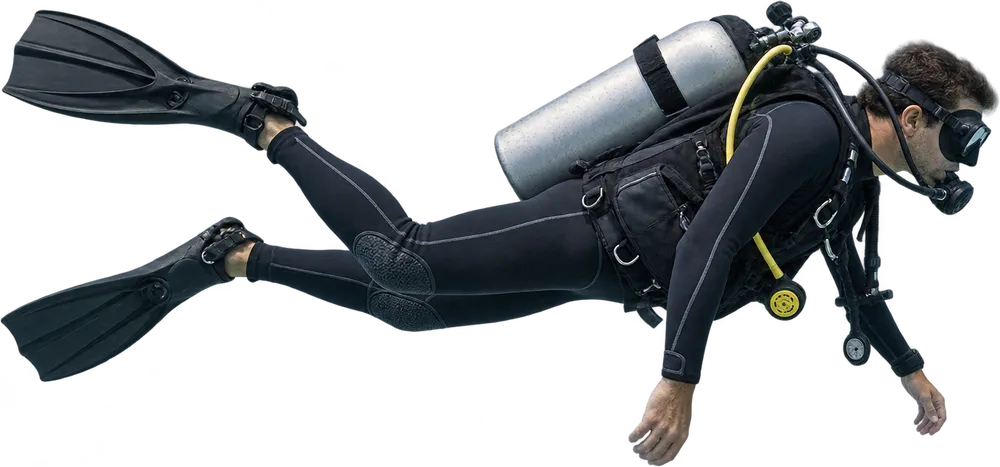
You start over the reef plateau, at around 6 to 8 m, and head towards the edge, where the wall appears. From there you dive along the drop-off, often letting the current carry you, with the wall on one side and the blue on the other. You don’t need to go very deep to feel the void.
What you’ll see
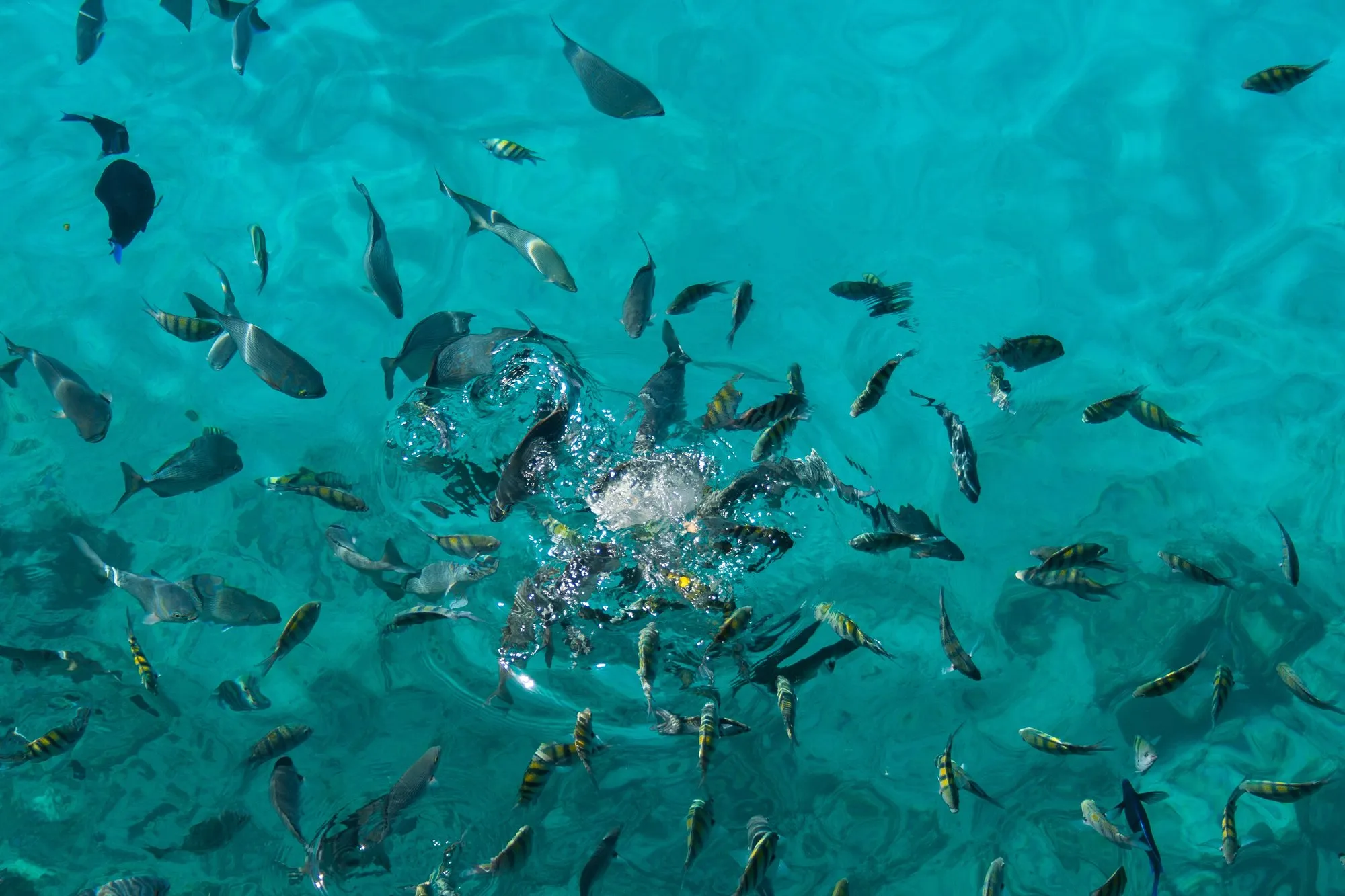
What draws most people are the sharks: reef sharks along the wall and nurse sharks on the plateau, alongside good-sized parrotfish. Lobsters and moray eels hide in the cracks, the wall is covered in sponges and corals, and with luck shoals, rays or the odd turtle will pass by. It’s a site for wide-angle photography rather than macro.
Level, depth and conditions
Advanced certification and good buoyancy control are recommended. Descriptions mention dives reaching towards 40 m, but the actual depth depends on the exact spot, the conditions and what your certification allows; the guide sets the maximum before you go in. On the east side there can be strong swell and surge, so it isn’t a site for try dives or snorkelling.
When to dive
You can dive here all year round, although from January to May there are usually more days of calm sea. The water is around 27 °C early in the year and 29 to 30 °C in September and October; it can be cooler at depth. On Siete Azules trips, whether or not we go to Blue Wall is decided according to the sea, the current and the group’s level.
What you’ll see
-
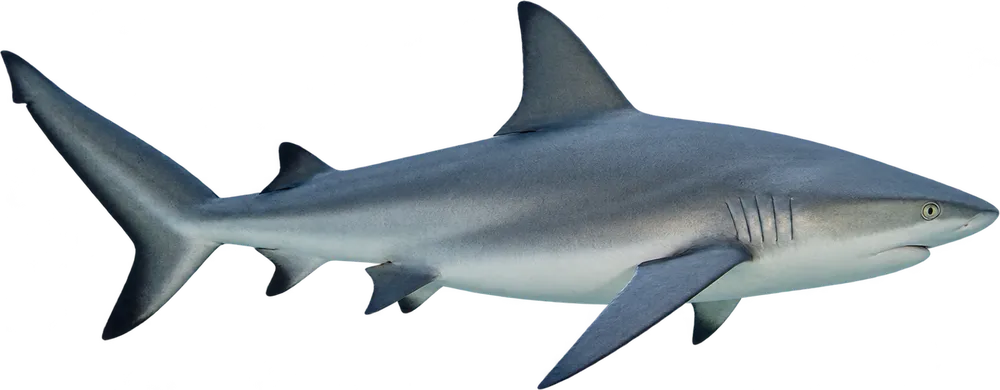 Caribbean reef shark
-
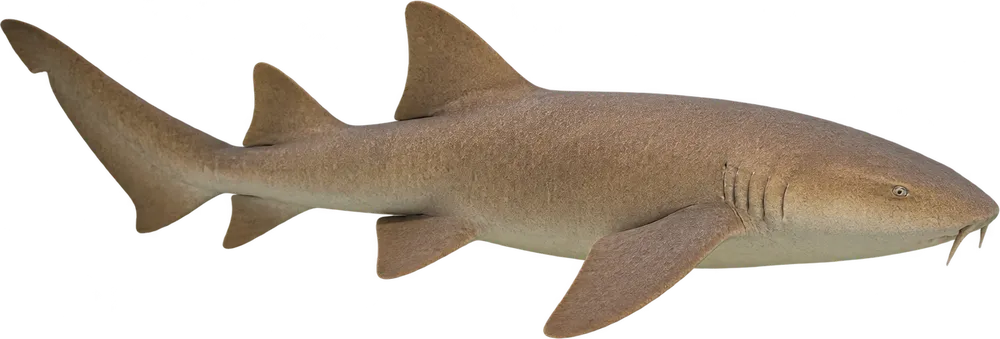 Nurse shark
-
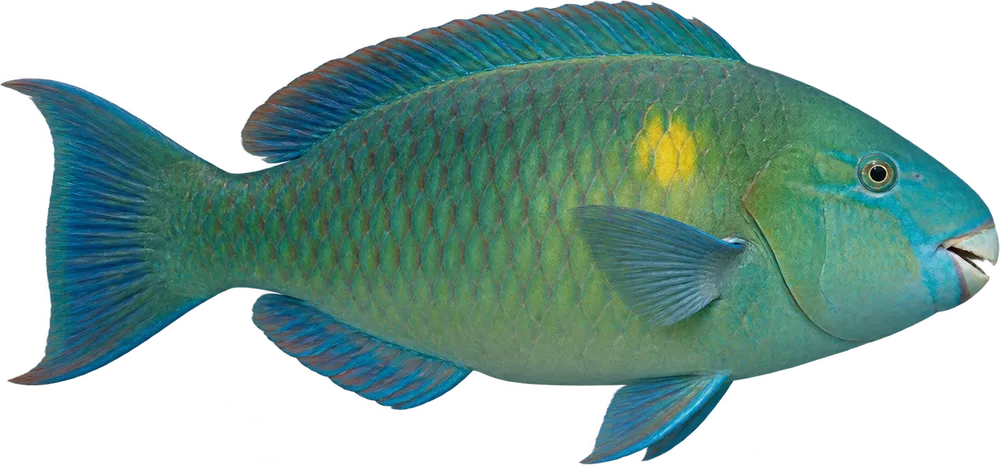 Parrotfish
-
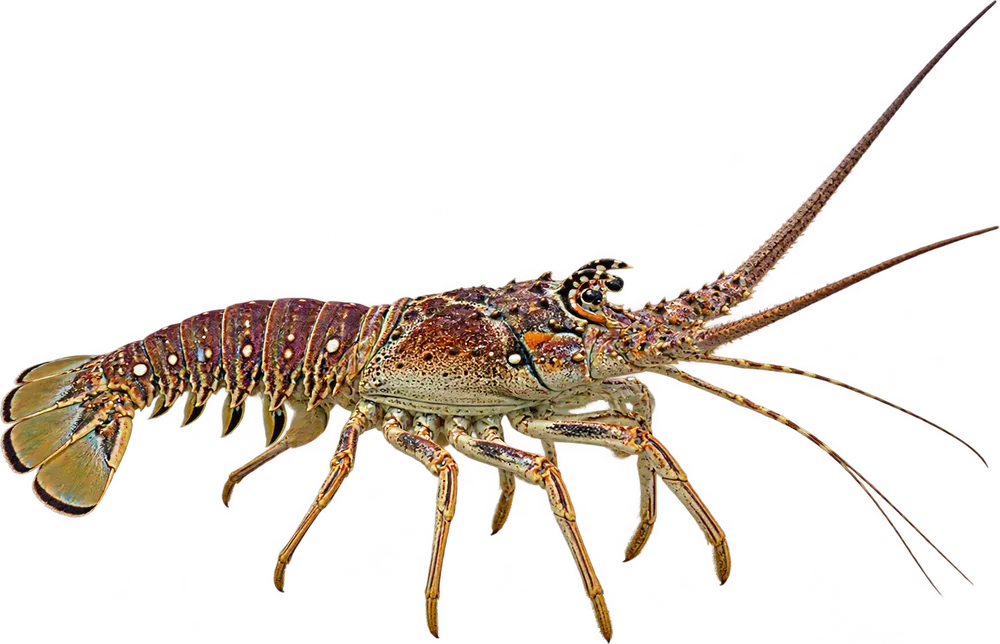 Caribbean spiny lobster
-
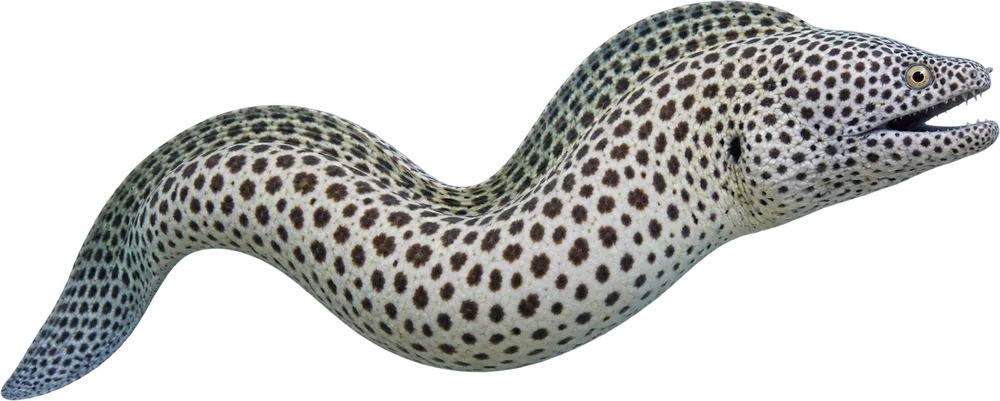 Spotted moray
-
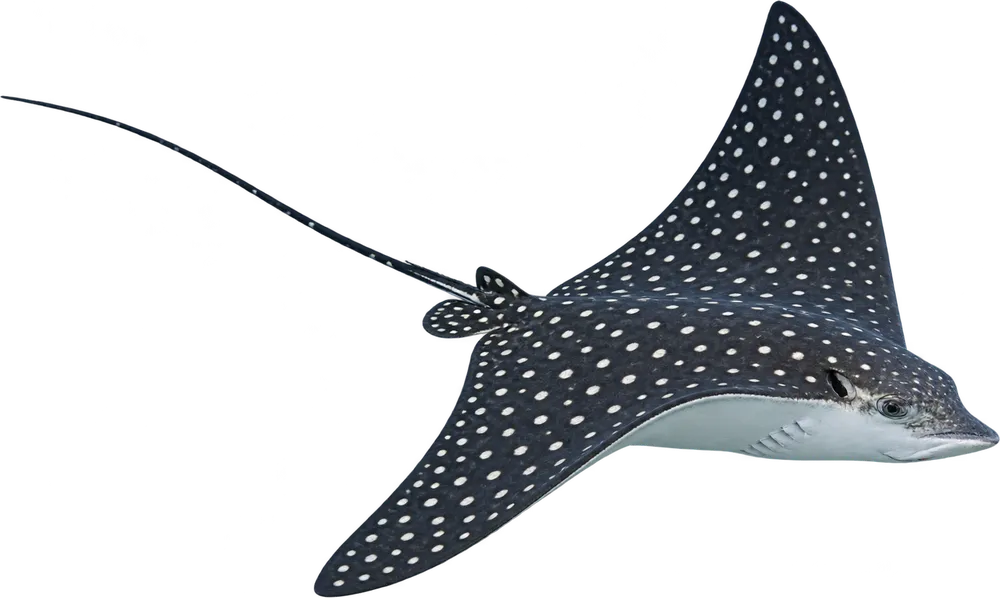 Eagle ray
-
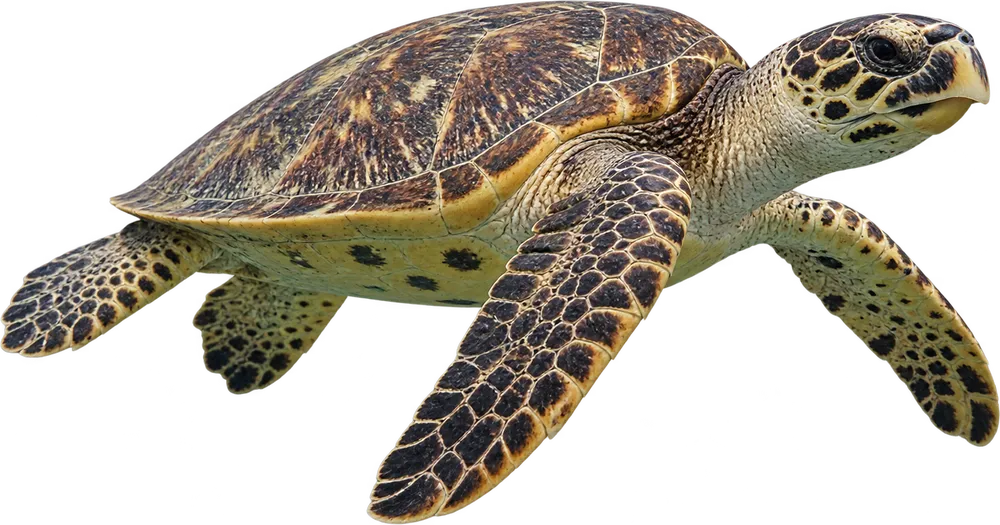 Sea turtle
- Reef sharks
- Nurse sharks
- Large parrotfish
- Lobsters
- Moray eels
- Wall sponges and corals
- Rays and, sometimes, turtles
AI-generated image, for illustration
More dive sites
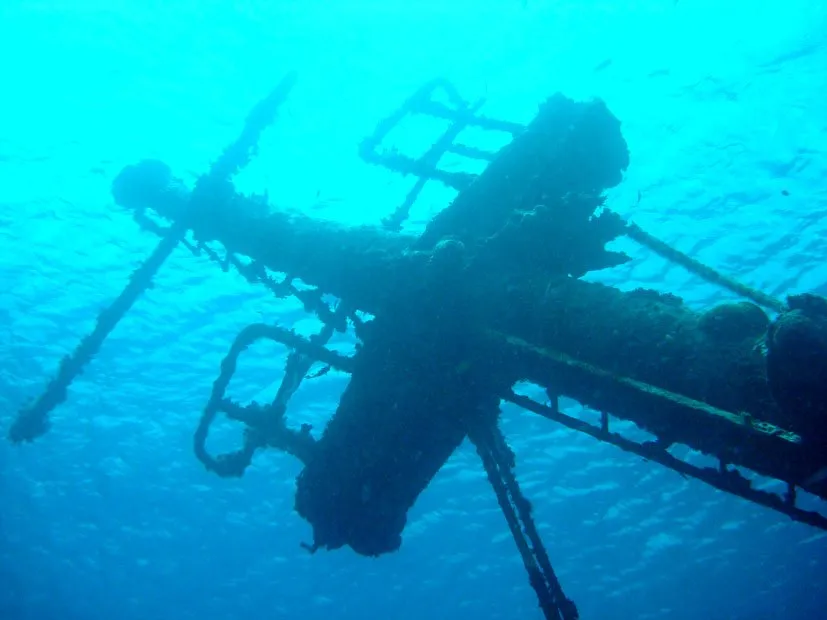 Nirvana A simple reef full of life on the west coast, at around 14 m.
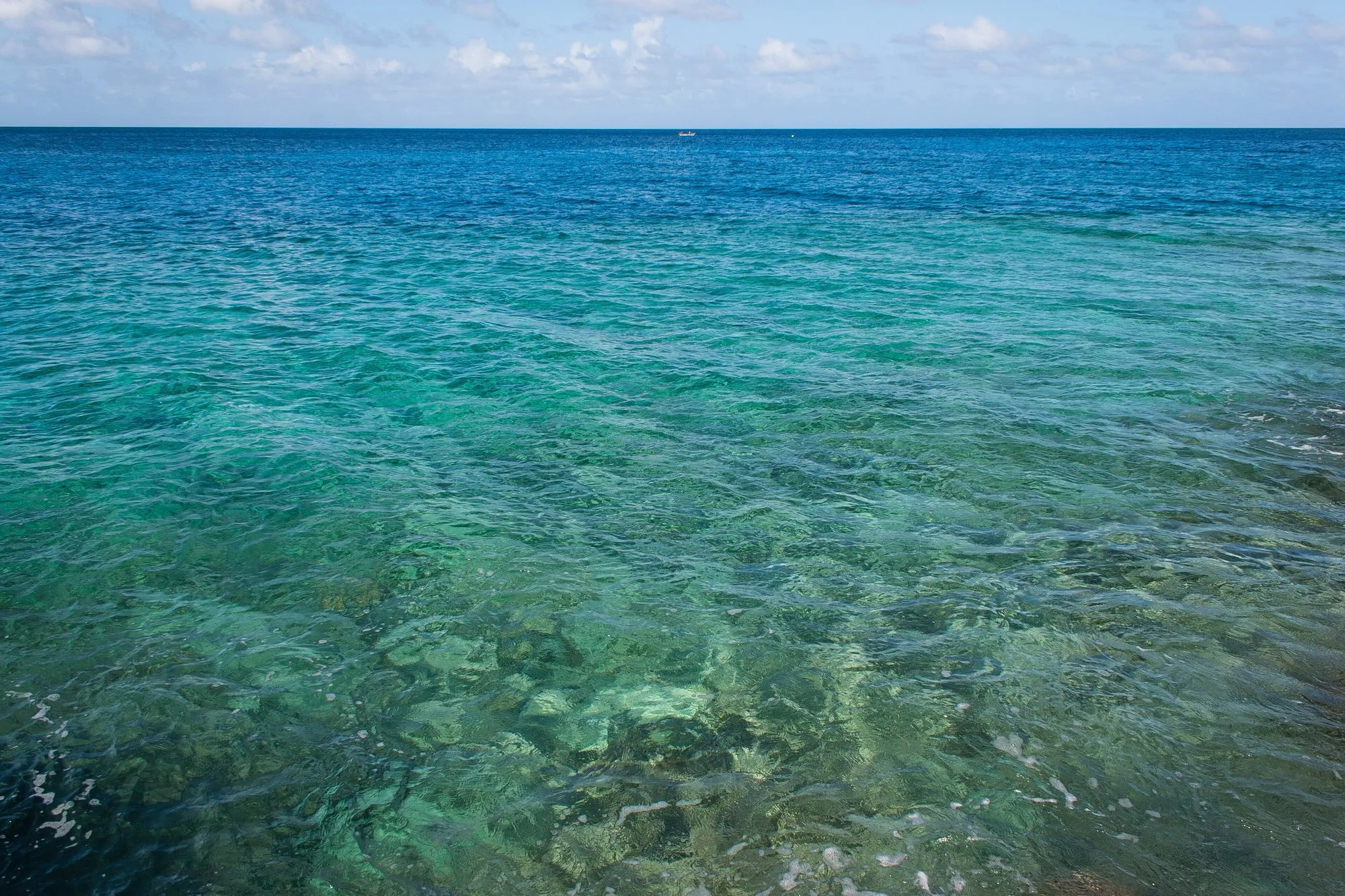 Trampa Tortuga (Trampa de Tortugas) An east-coast reef known for very clear water.
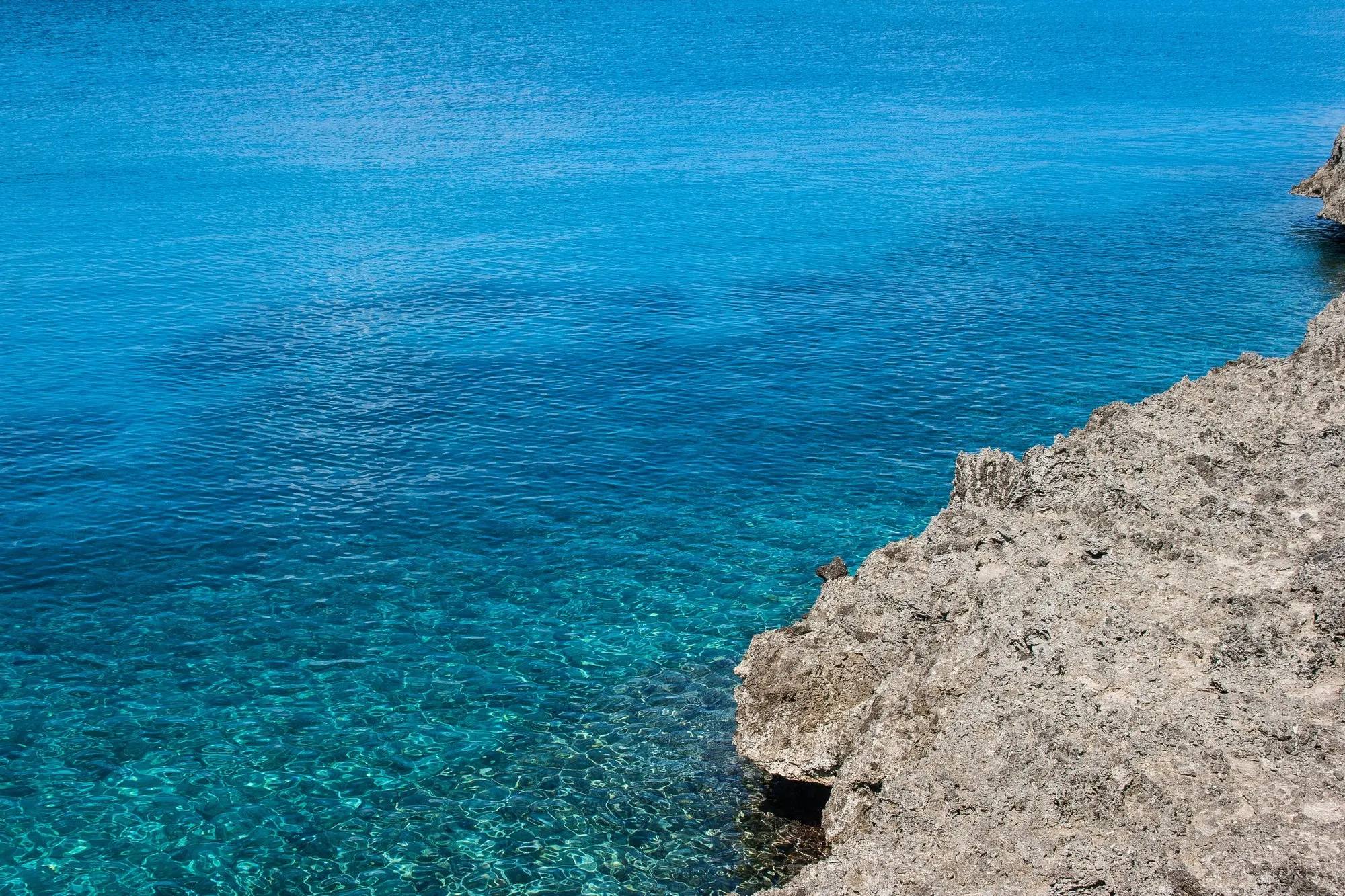 La Pirámide (The Pyramids) A very shallow reef, around 4 m deep, at the northern tip of the island.
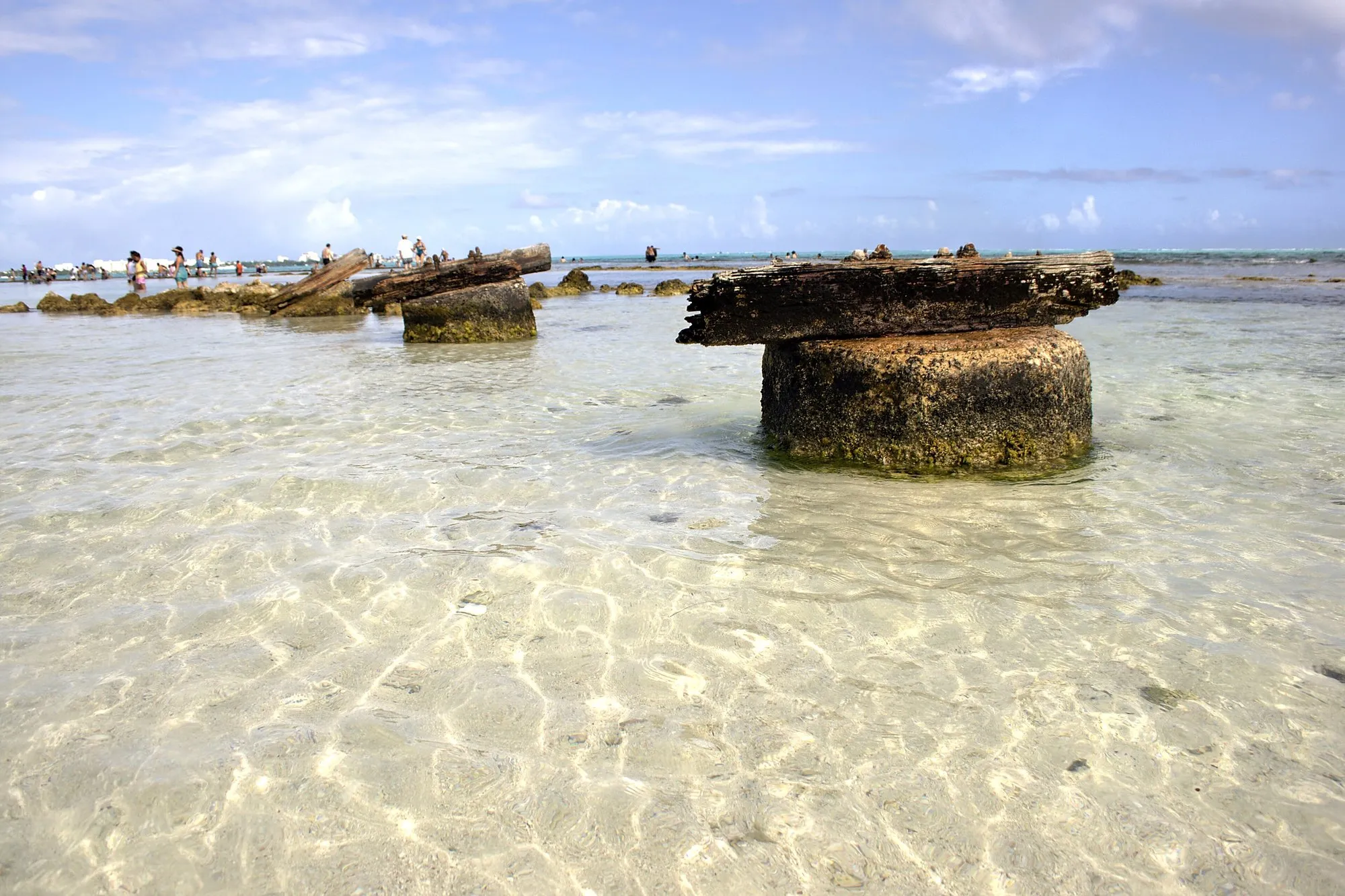 West View y la estatua de Poseidón A natural pool on the west coast with a statue of Poseidon at around 8 to 9 m.
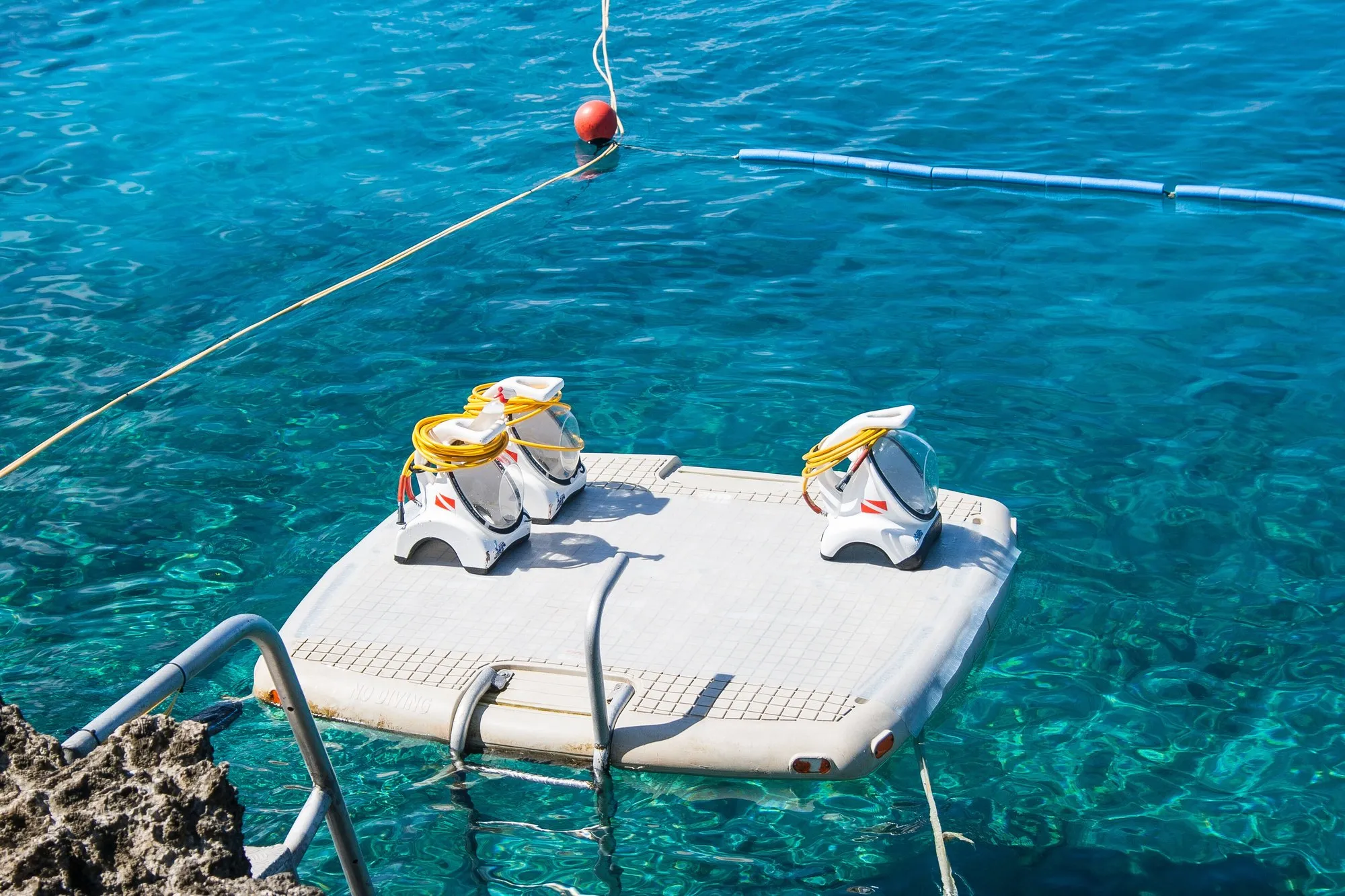 Blue Diamond (naufragio) A cargo ship sunk off the west coast, now an artificial reef.
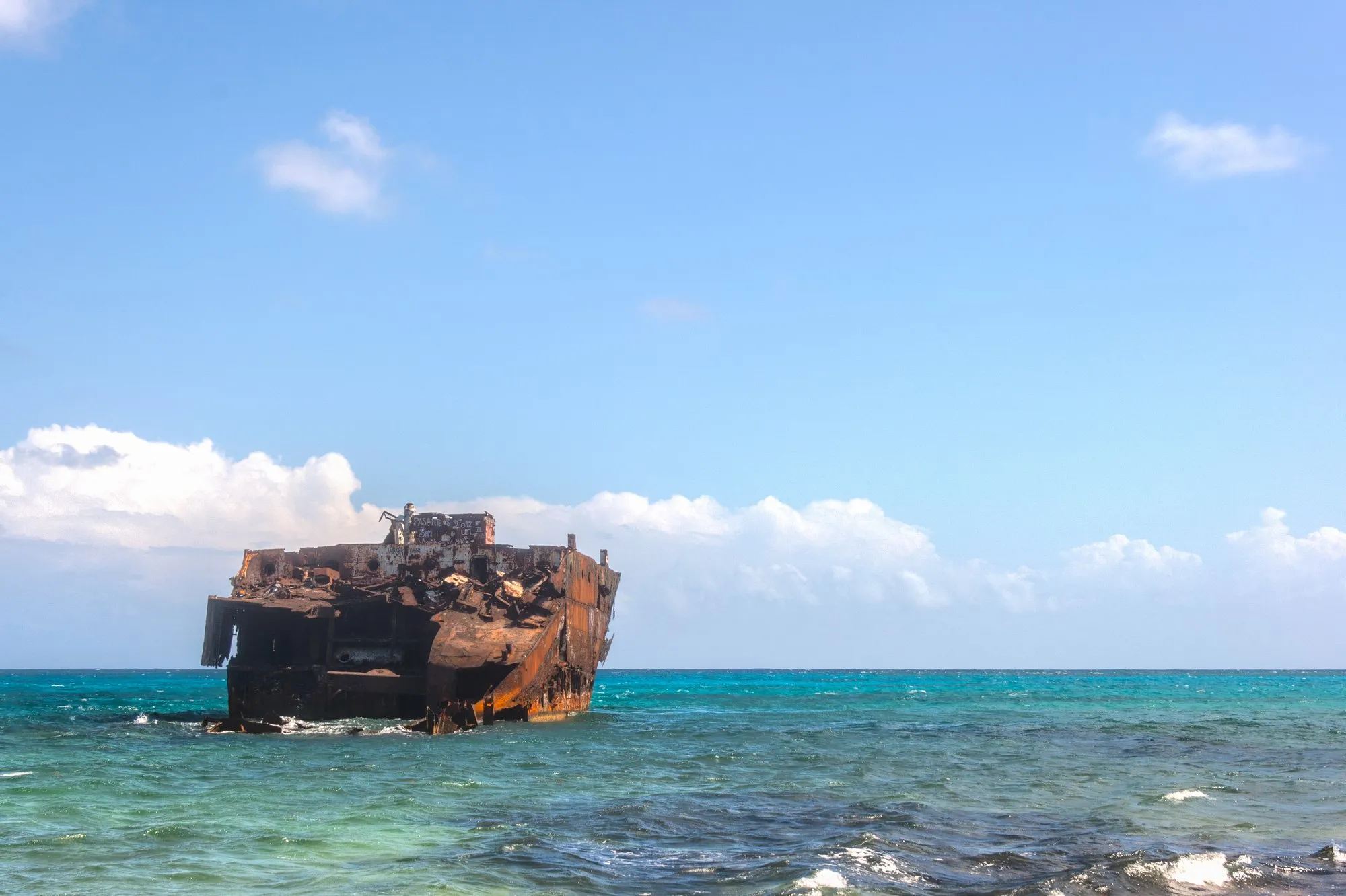 Bajo Bonito A reef with sandy patches at around 15 m, the kind that invites you to slow down.
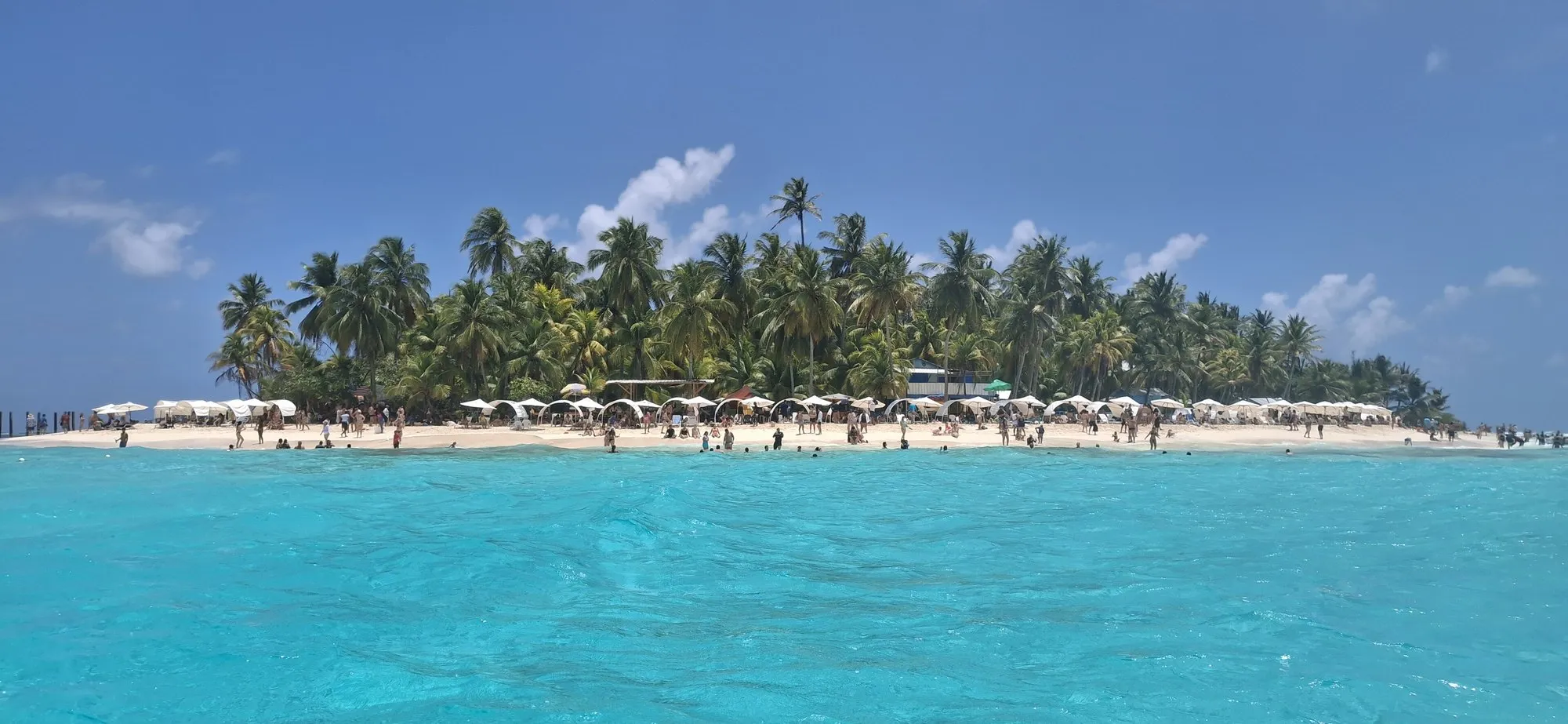 Reggae Nest A reef on the west side, down to around 20 m, with coral described as being in very good condition.
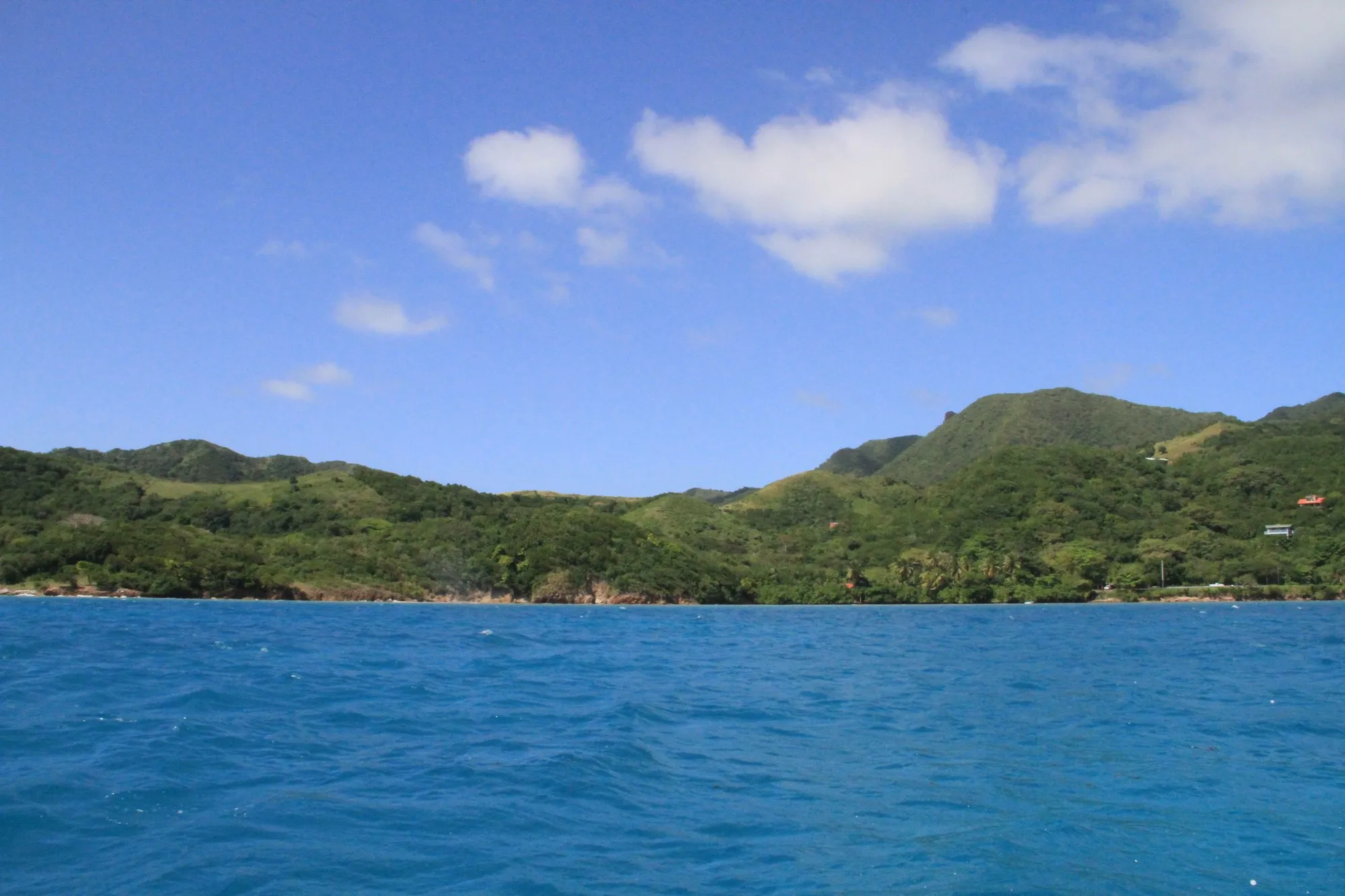 Felipe’s Place A coral platform that ends in a wall, with a natural tunnel and a submerged statue of Christ at about 24 m that PADI describes as damaged.
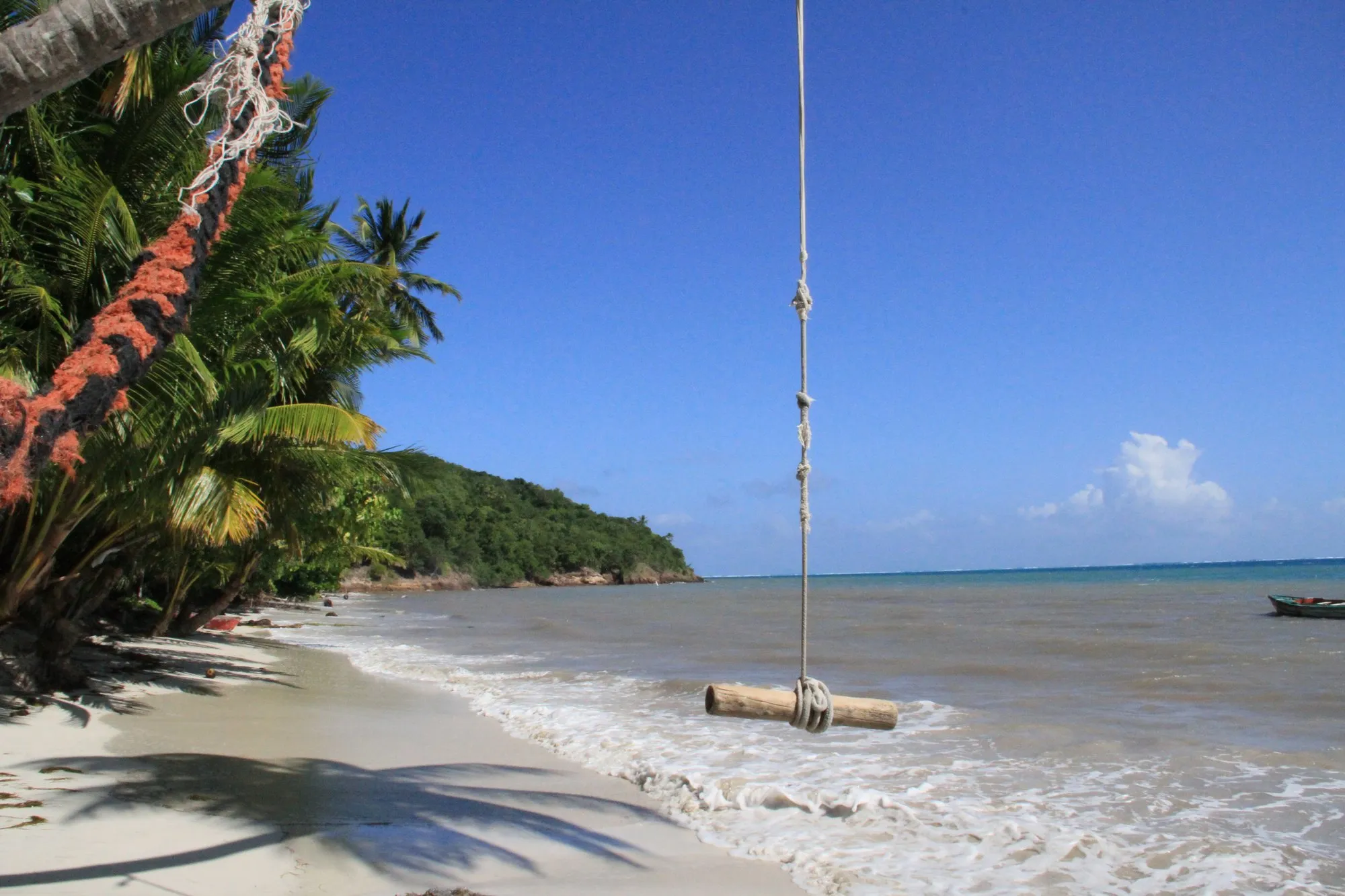 Tete’s Place A shallow reef of about 9 m that diving magazines describe as one of the fishiest sites in Providencia, with pillar coral and octocorals.
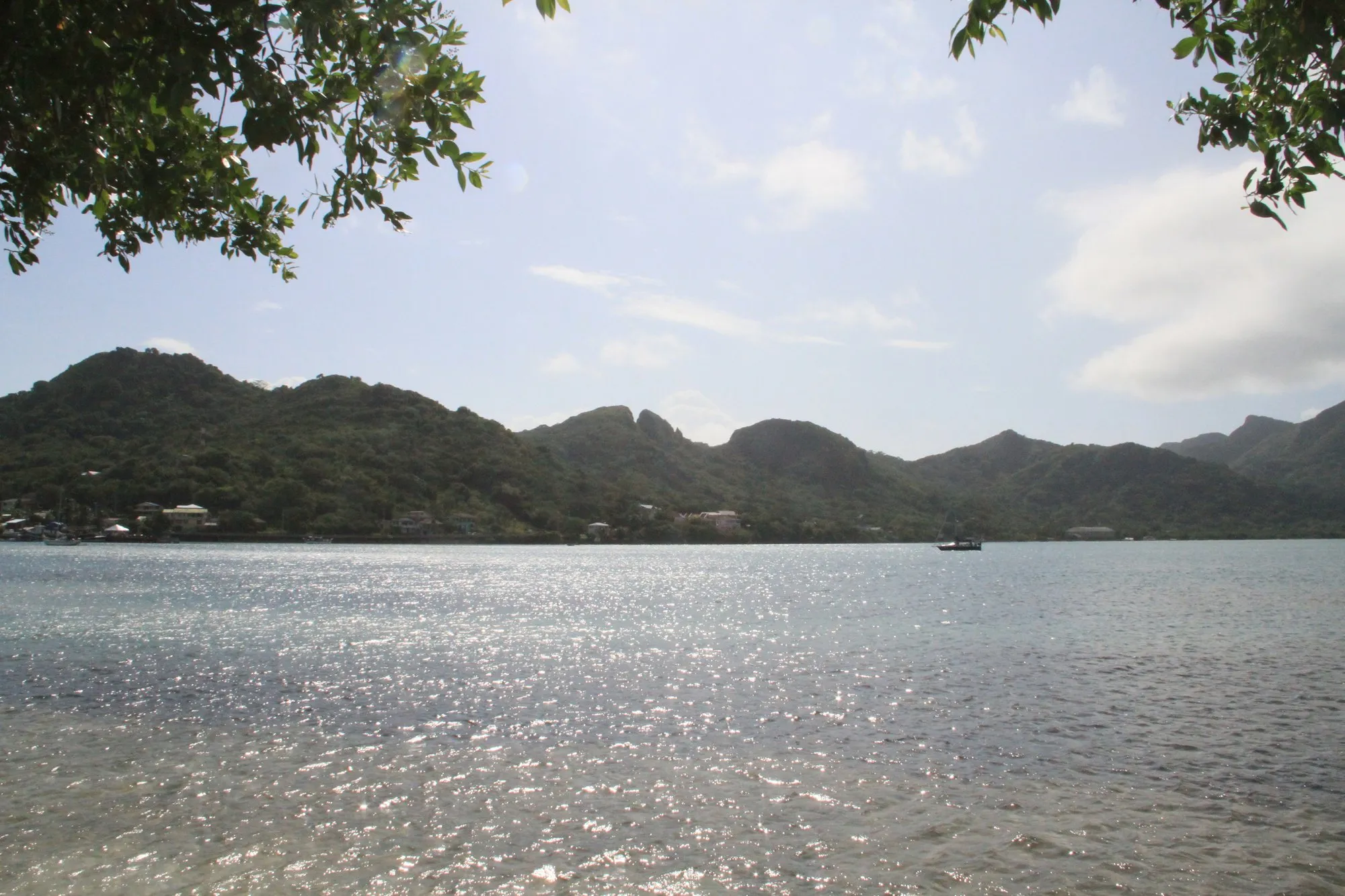 Manta’s City Patch reefs on sand at about 12 m, with stingrays, cushion sea stars and plenty of macro.
 Turtle Rock A large rock separated from the wall by a deep crevice, with black coral. The Spiral A tunnel that spirals down between about 24 and 35 m and a network of passages that ends among coral pillars. Confusion A wall with a ledge jutting out over the blue and encounters with reef sharks. El Planchón An upturned, almost intact hull covered in coral at the entrance to the harbour area. Bajo de San Felipe A shallow coral garden, 11 to 12 m at most, off Lazy Hill. Chromis Reef sharks over a forest of sea fans, near Manta’s City.
Frequently asked questions
How deep is Blue Wall?
The wall starts at around 6 to 8 m and drops to hundreds of metres. Dives reach towards 40 m, and the guide adjusts the maximum to the group’s certification and the conditions.
Will I see sharks at Blue Wall?
It’s one of the spots in San Andrés where reef sharks are seen most often, and nurse sharks usually appear on the plateau. Nobody can guarantee them.
Can I dive Blue Wall with Open Water?
Advanced is recommended because of the depth and the swell on the east side. With Open Water, the sensible thing is to start with easier reefs on the west coast, such as Nirvana.
Save your place in the next group
Places are limited on purpose. Leave us your details and we’ll send you the dates, itinerary and price.
See the trip- No commitment, no payment
- We write to you personally with dates, programme and price
- Your details are only used to reply to you