
Diving the Bajo de San Felipe, Providencia
The Bajo de San Felipe lies off Lazy Hill, in the San Felipe area, and is a shallow coral garden that a divers’ site profile describes as one of the easiest and most enjoyable dives in Providencia. It is often mentioned alongside Nose, a patch reef on the western side of the Old Providence and Santa Catalina marine protected area.
Depth: 11 to 12 m maximum
Get the details- Island
- Providencia
- Level
- Beginner
- Type of dive
- Small drop-off and coral garden
- Ideal for
- Beginners, courses and macro
Site profile
What the dive at the Bajo de San Felipe is like
A small drop-off leads to a coral shoal: a shallow coral garden of the kind Scuba Diving listed in 2010 among the island’s attractions. The maximum depth is around 11 to 12 m, and Nose stays a little under 11 m. It’s a calm dive, good for building confidence or doing a course.
What you’ll see
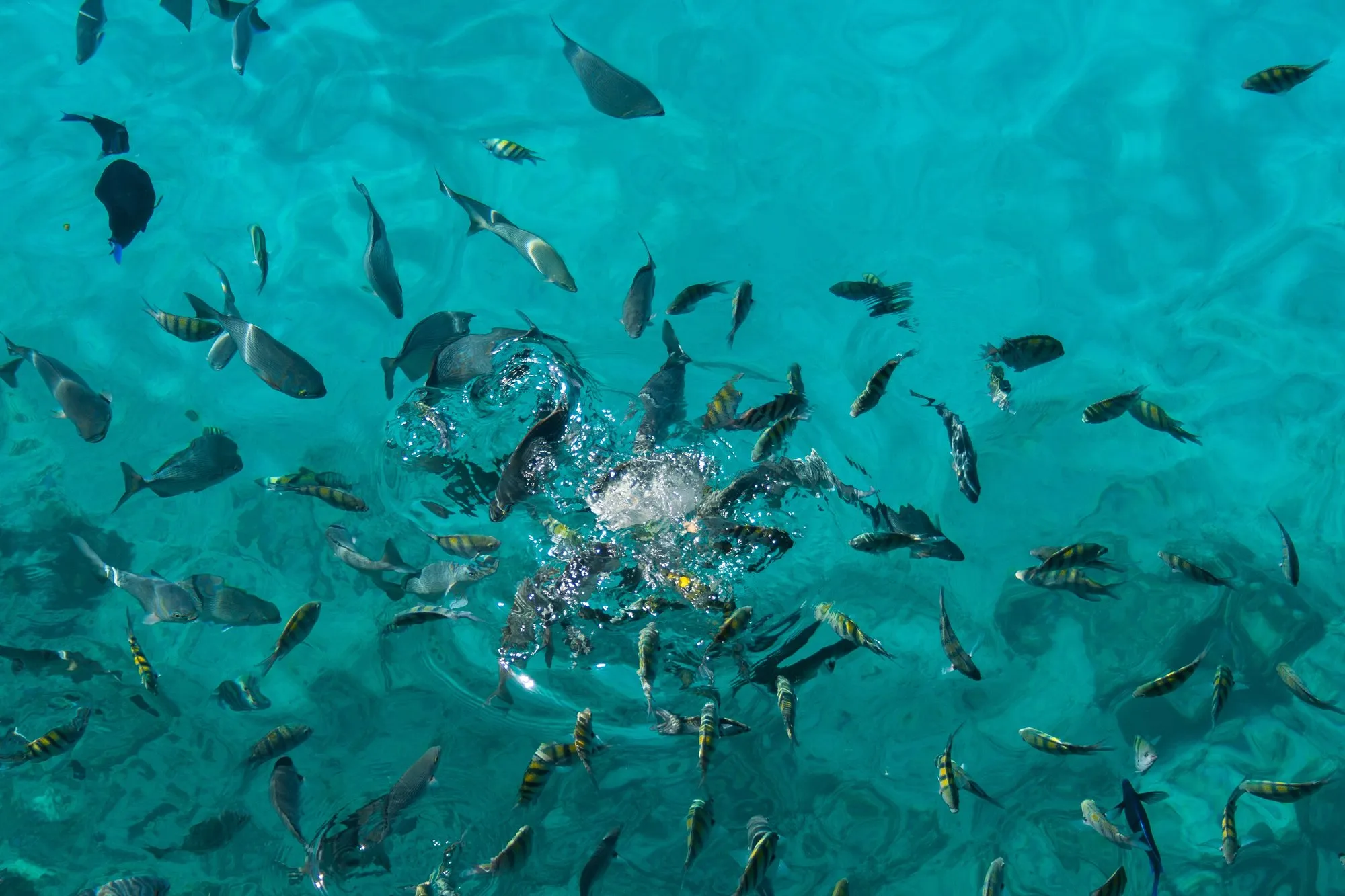
Lobsters often, lots of small fish and, every now and then, large snapper and groupers, according to a divers’ site profile. In 2016 another diver noted good-sized brain corals, a chain moray, a longsnout butterflyfish, a queen angelfish and several species of hamlet.
At Nose, star corals (Montastraea), mustard corals and brain corals dominate. It’s a good place to go slowly and practise macro photography.
Level, depth and conditions
It’s suitable for beginners and for courses. With average visibility of 25 to 27 m, according to that profile, the coral garden really shines. As everywhere in the archipelago, visibility drops with swell or after rain, and from January to May there are usually more days of calm sea.
Being shallow, it could also work for snorkelling when visibility is good, although that depends on the day and the state of the sea.
The Bajo de San Felipe on your trip
The rules of the Old Providence McBean Lagoon Park are a good guide for any dive on the island: don’t touch, remove or break coral, don’t buy shell or coral crafts and don’t leave rubbish. On Siete Azules trips each day’s sites are chosen according to the sea, the current and the group’s level; an easy shoal like this works well as a first dive, although we can’t guarantee it.
What you’ll see
-
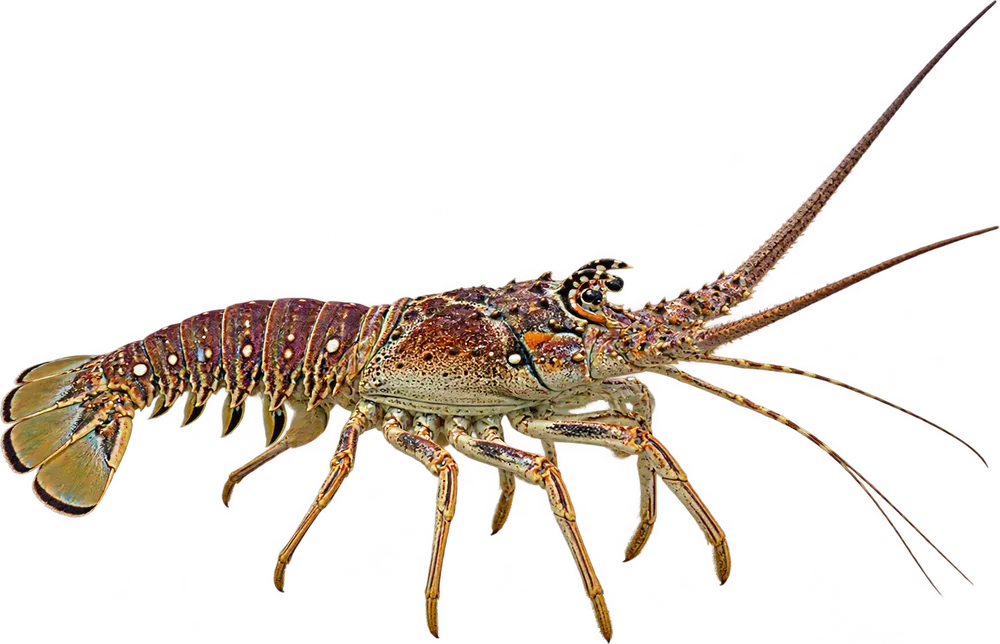 Caribbean spiny lobster
-
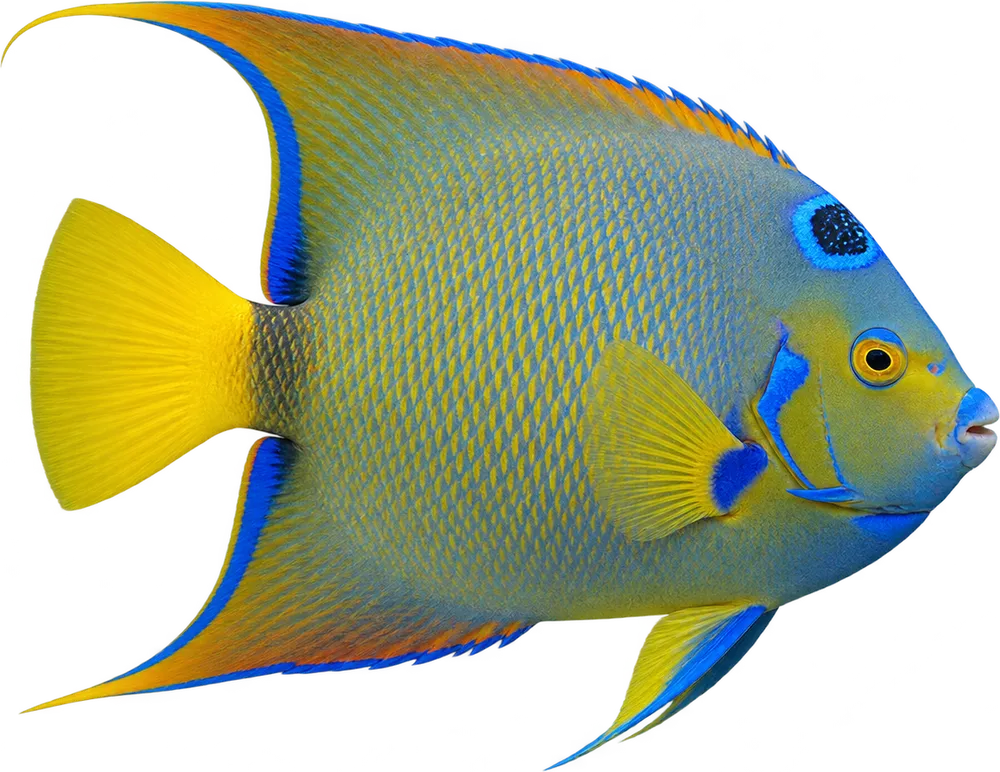 Queen angelfish
- Lobsters
- Large snapper and groupers, at times
- Chain moray
- Longsnout butterflyfish
- Queen angelfish
- Several species of hamlet
- Brain, star and mustard corals
AI-generated image, for illustration
More dive sites
 Felipe’s Place A coral platform that ends in a wall, with a natural tunnel and a submerged statue of Christ at about 24 m that PADI describes as damaged.
 Tete’s Place A shallow reef of about 9 m that diving magazines describe as one of the fishiest sites in Providencia, with pillar coral and octocorals.
 Manta’s City Patch reefs on sand at about 12 m, with stingrays, cushion sea stars and plenty of macro. Turtle Rock A large rock separated from the wall by a deep crevice, with black coral. The Spiral A tunnel that spirals down between about 24 and 35 m and a network of passages that ends among coral pillars. Confusion A wall with a ledge jutting out over the blue and encounters with reef sharks. El Planchón An upturned, almost intact hull covered in coral at the entrance to the harbour area. Chromis Reef sharks over a forest of sea fans, near Manta’s City.
 Blue Wall (La Pared Azul) The most famous dive in San Andrés: a wall on the east side of the island that starts a few metres down and disappears into the blue.
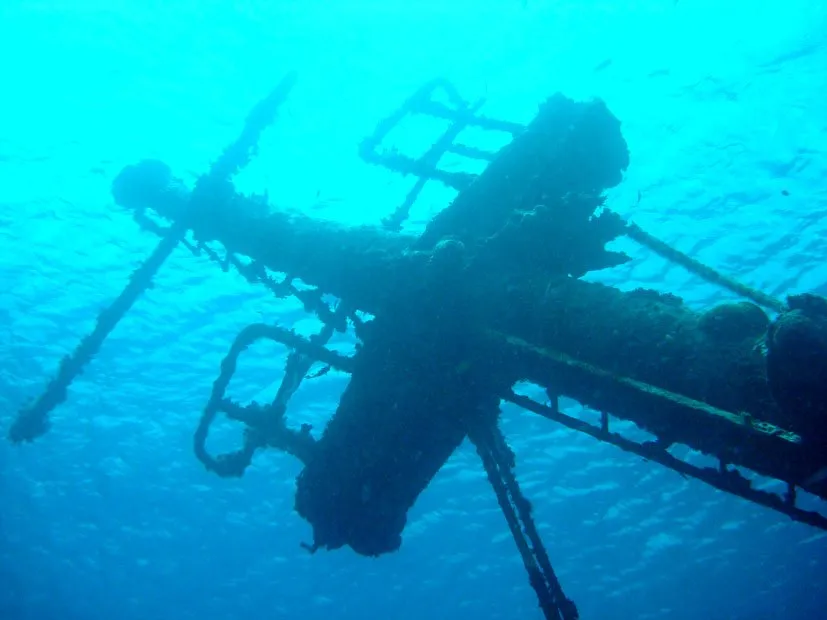 Nirvana A simple reef full of life on the west coast, at around 14 m.
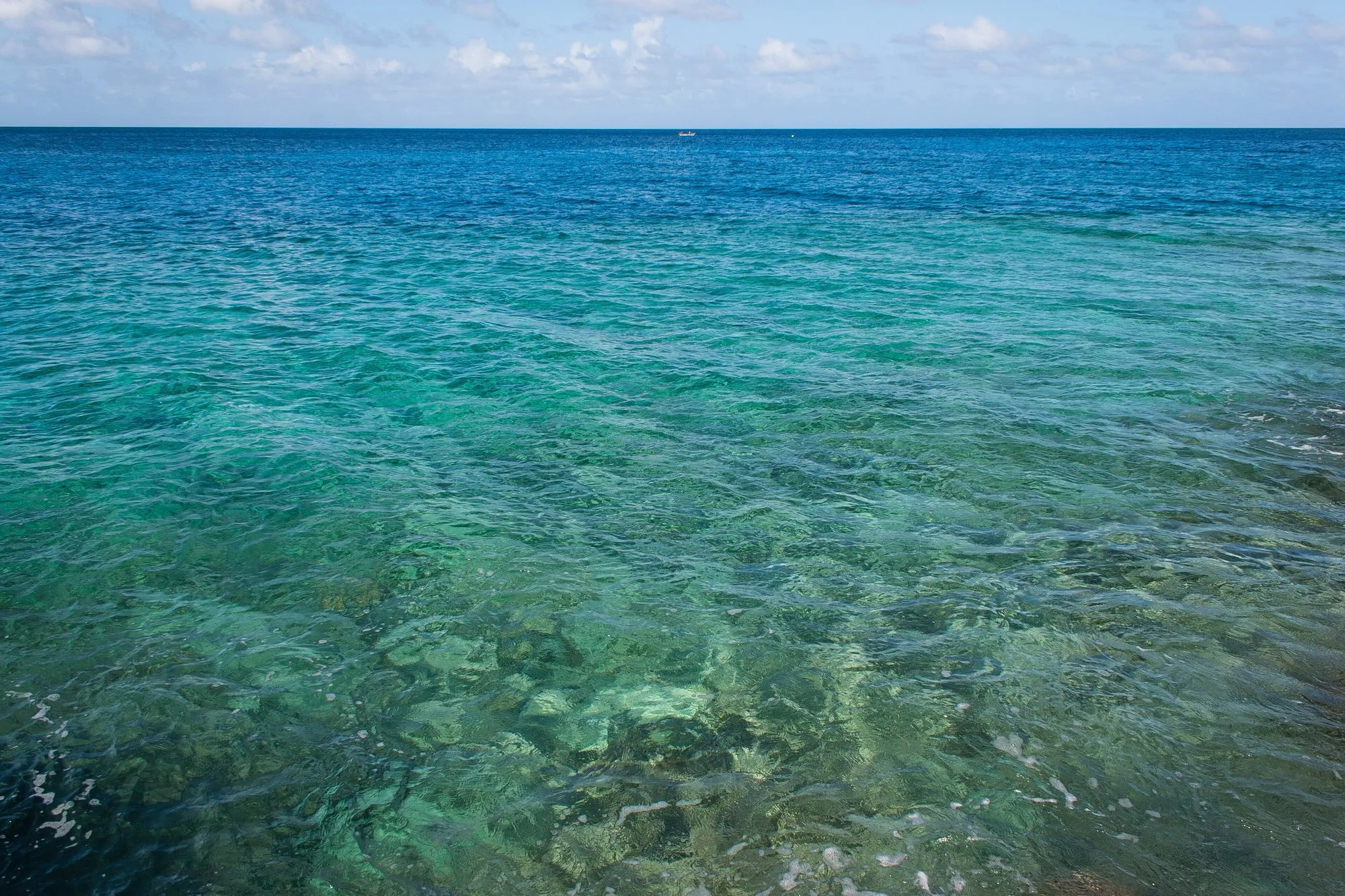 Trampa Tortuga (Trampa de Tortugas) An east-coast reef known for very clear water.
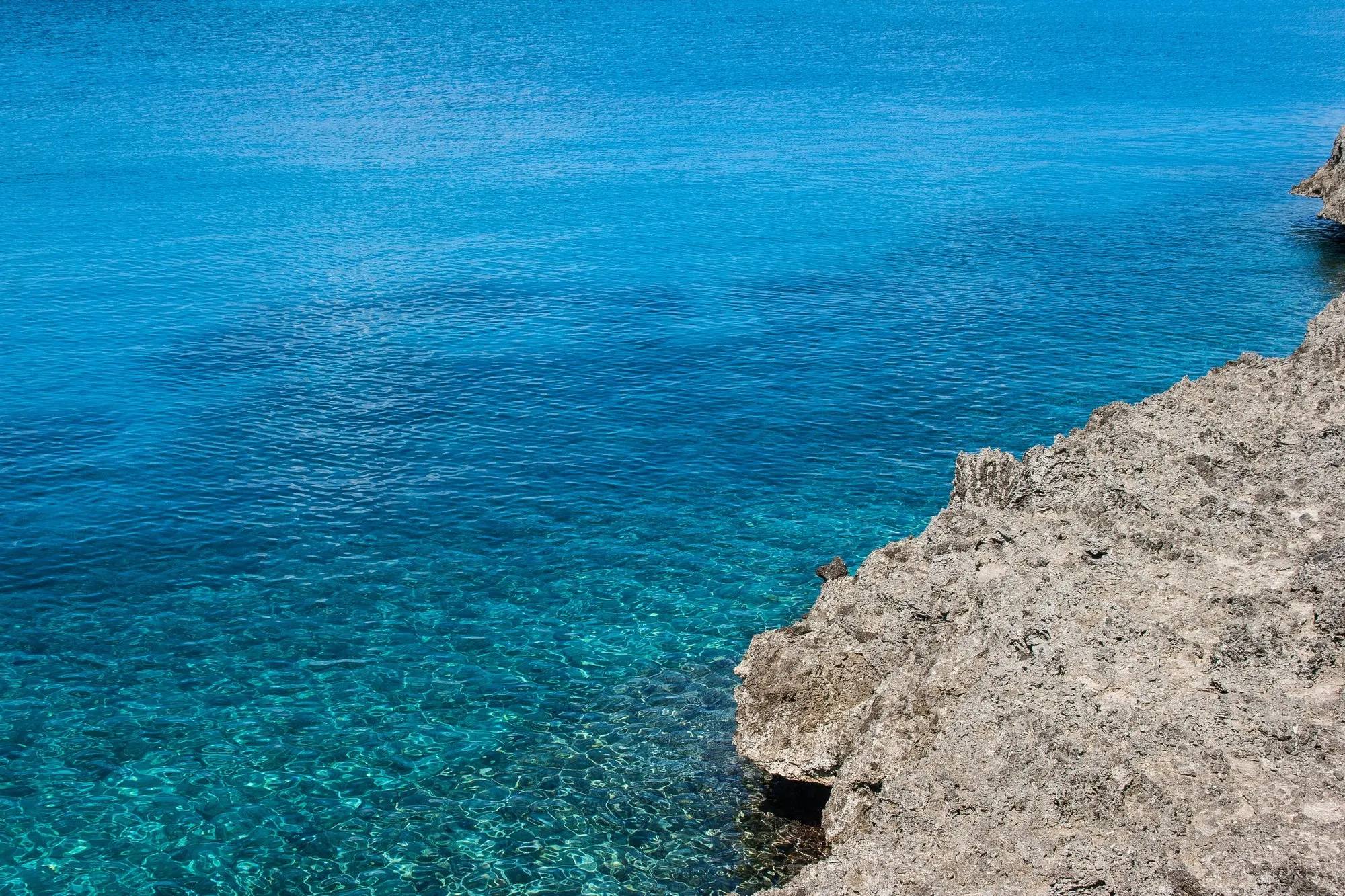 La Pirámide (The Pyramids) A very shallow reef, around 4 m deep, at the northern tip of the island.
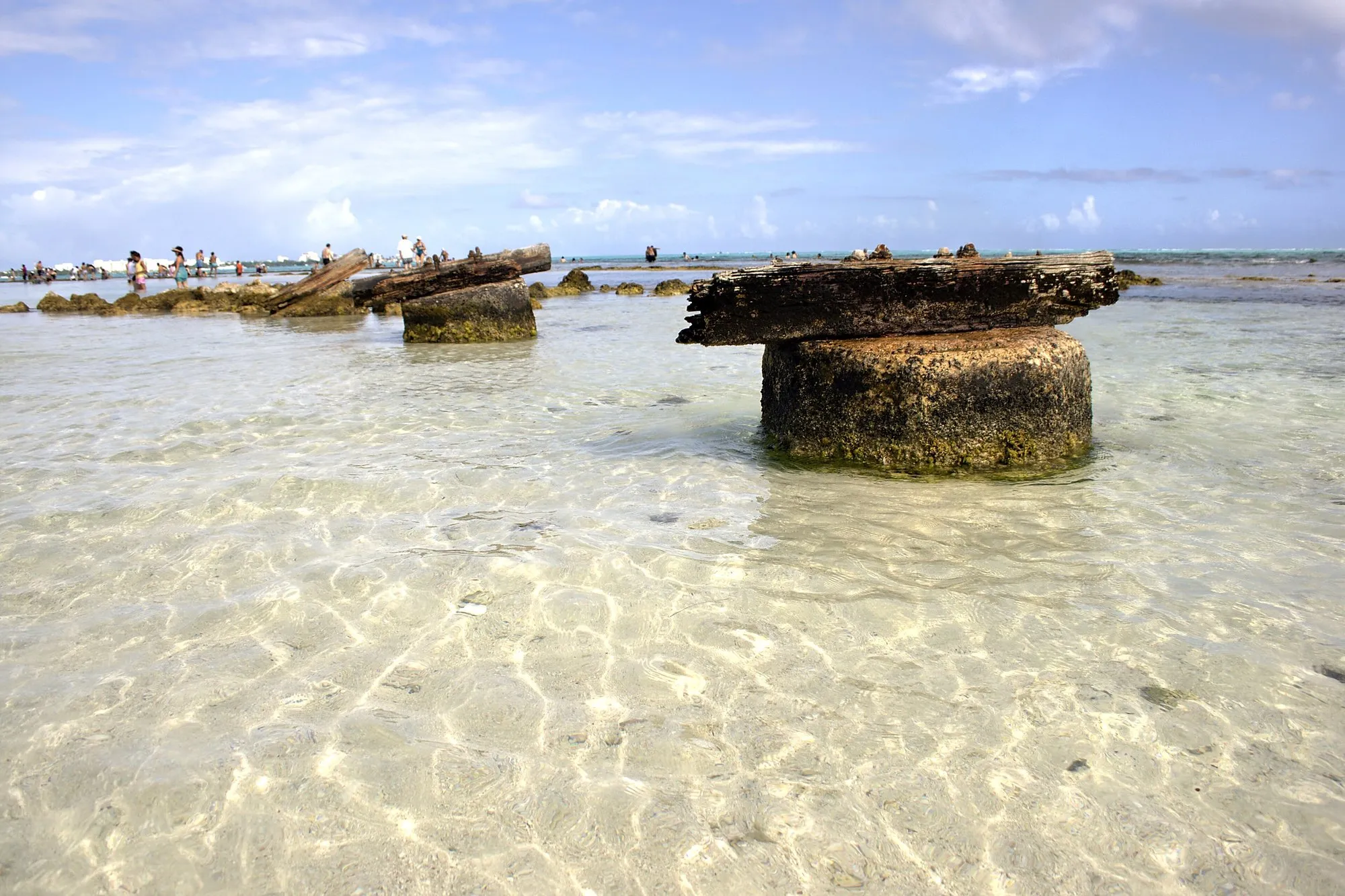 West View y la estatua de Poseidón A natural pool on the west coast with a statue of Poseidon at around 8 to 9 m.
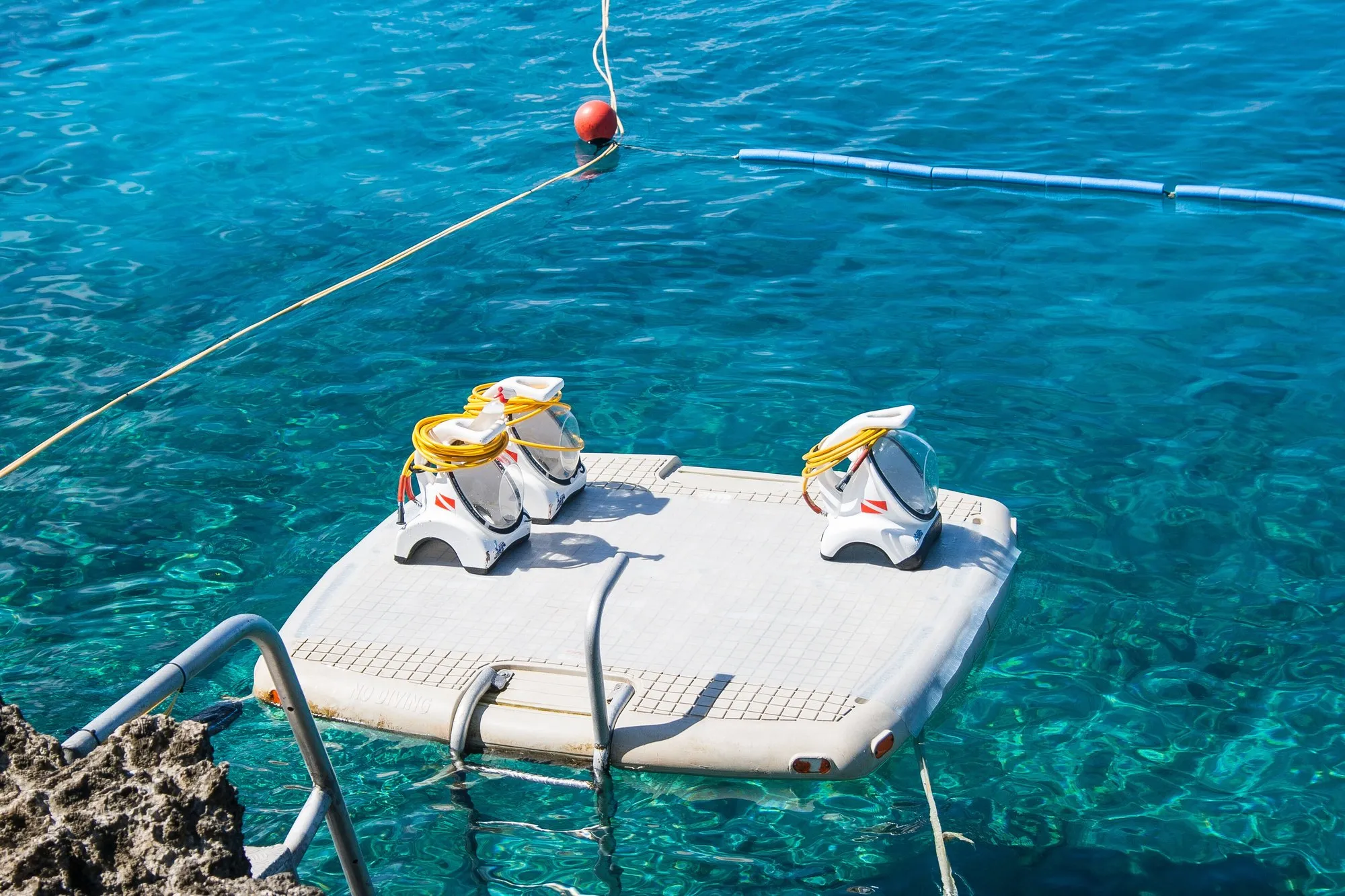 Blue Diamond (naufragio) A cargo ship sunk off the west coast, now an artificial reef.
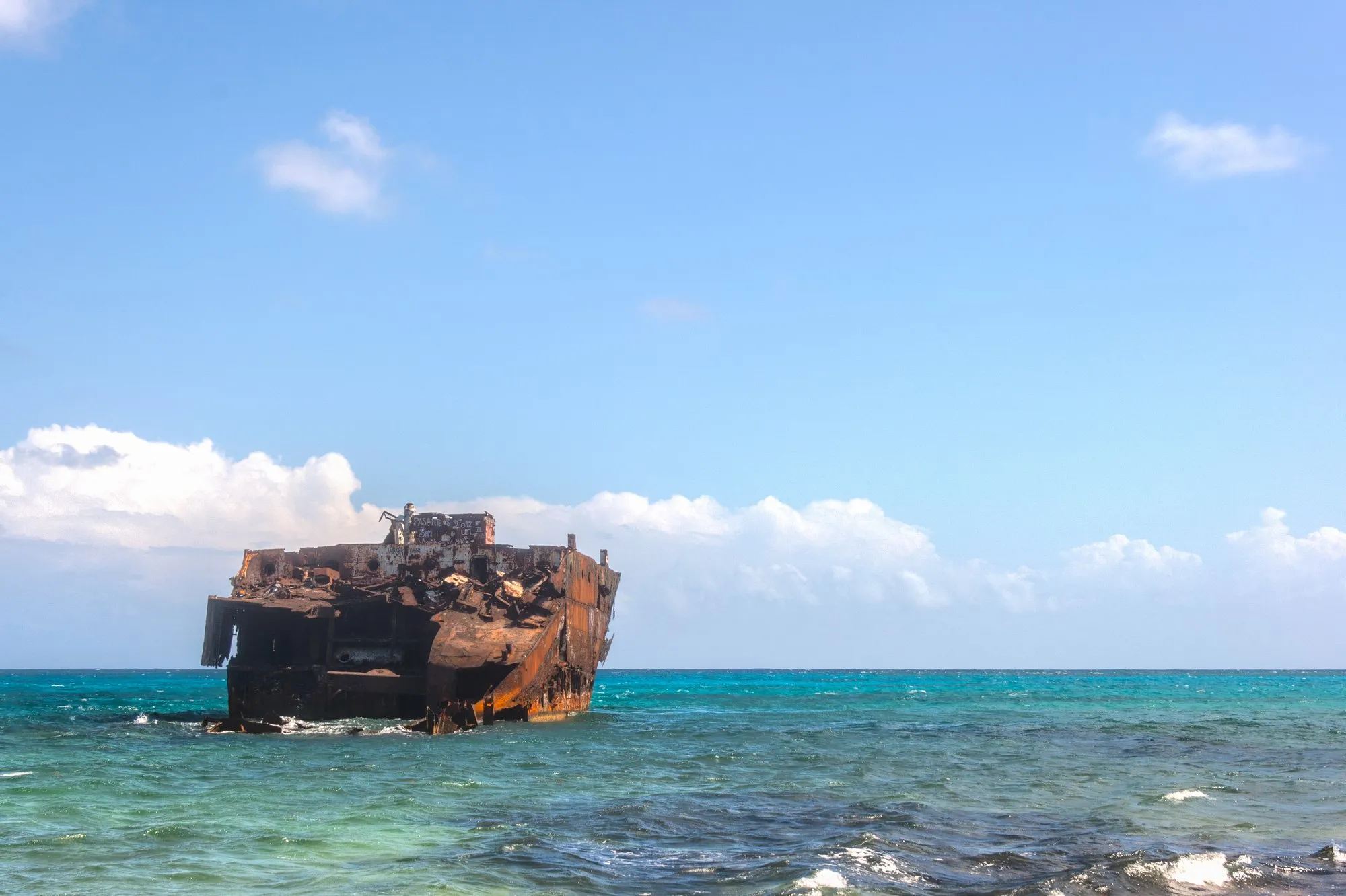 Bajo Bonito A reef with sandy patches at around 15 m, the kind that invites you to slow down.
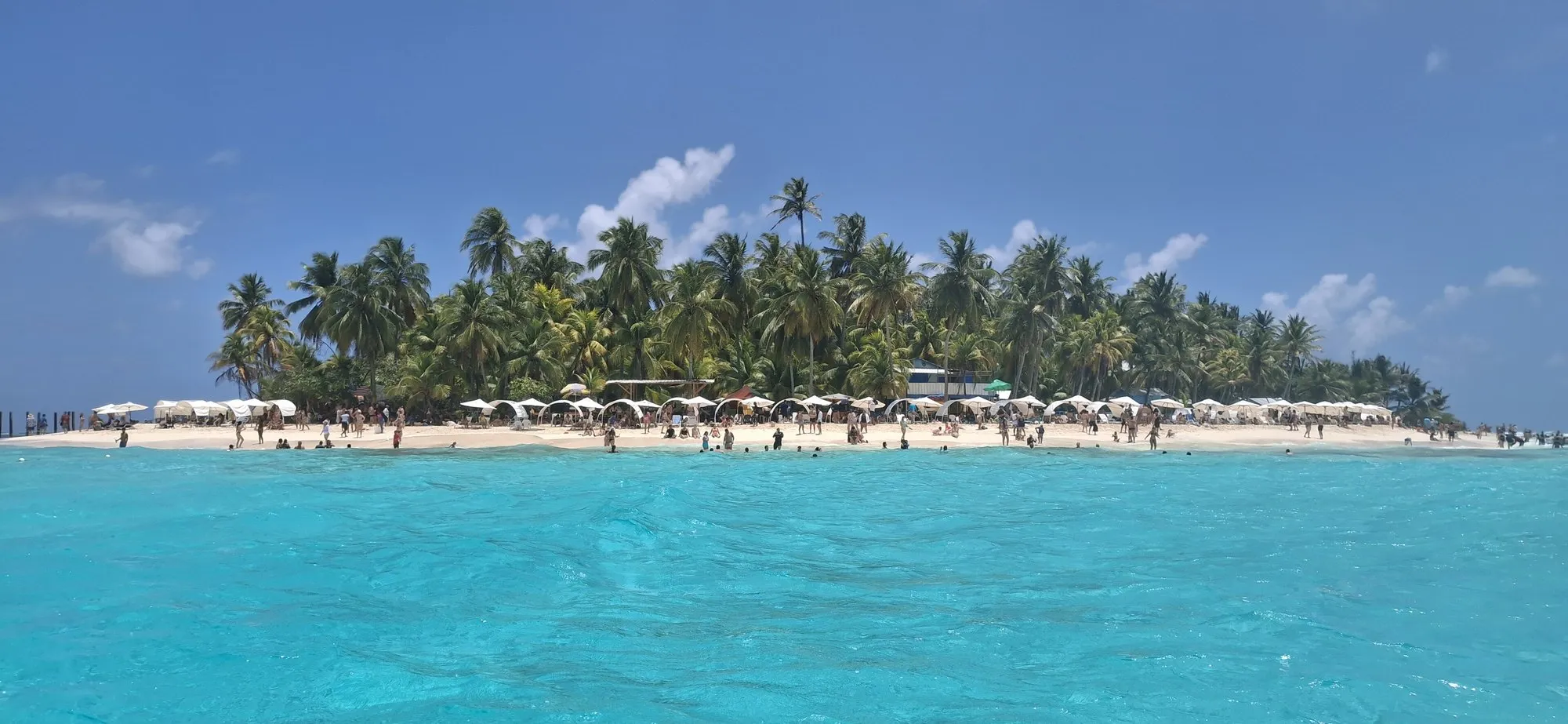 Reggae Nest A reef on the west side, down to around 20 m, with coral described as being in very good condition.
Frequently asked questions
Is the Bajo de San Felipe good for beginners?
Yes. With a maximum depth of 11 to 12 m and few complications, a divers’ site profile considers it excellent for beginners.
What is Nose?
A patch reef on the western side of the Old Providence and Santa Catalina marine protected area, which some profiles group with the Bajo de San Felipe. It doesn’t reach 11 m and has lots of star, mustard and brain coral.
Save your place in the next group
Places are limited on purpose. Leave us your details and we’ll send you the dates, itinerary and price.
See the trip- No commitment, no payment
- We write to you personally with dates, programme and price
- Your details are only used to reply to you