
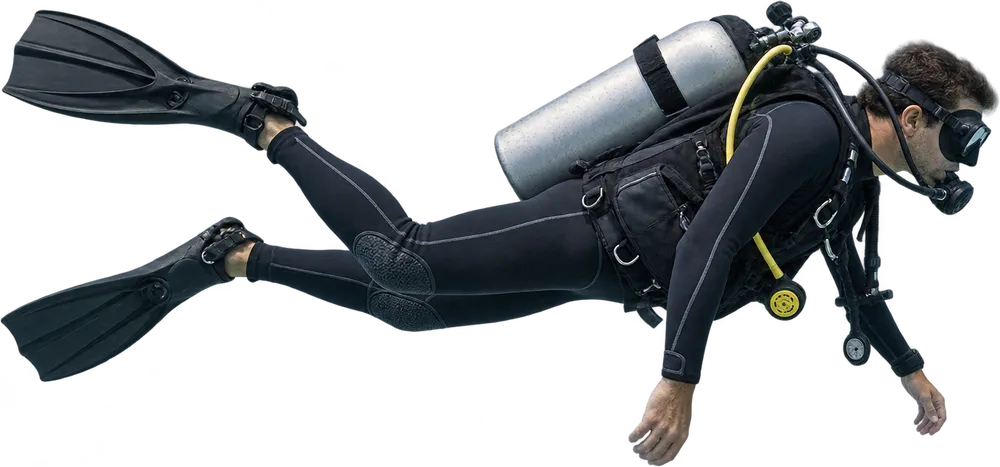
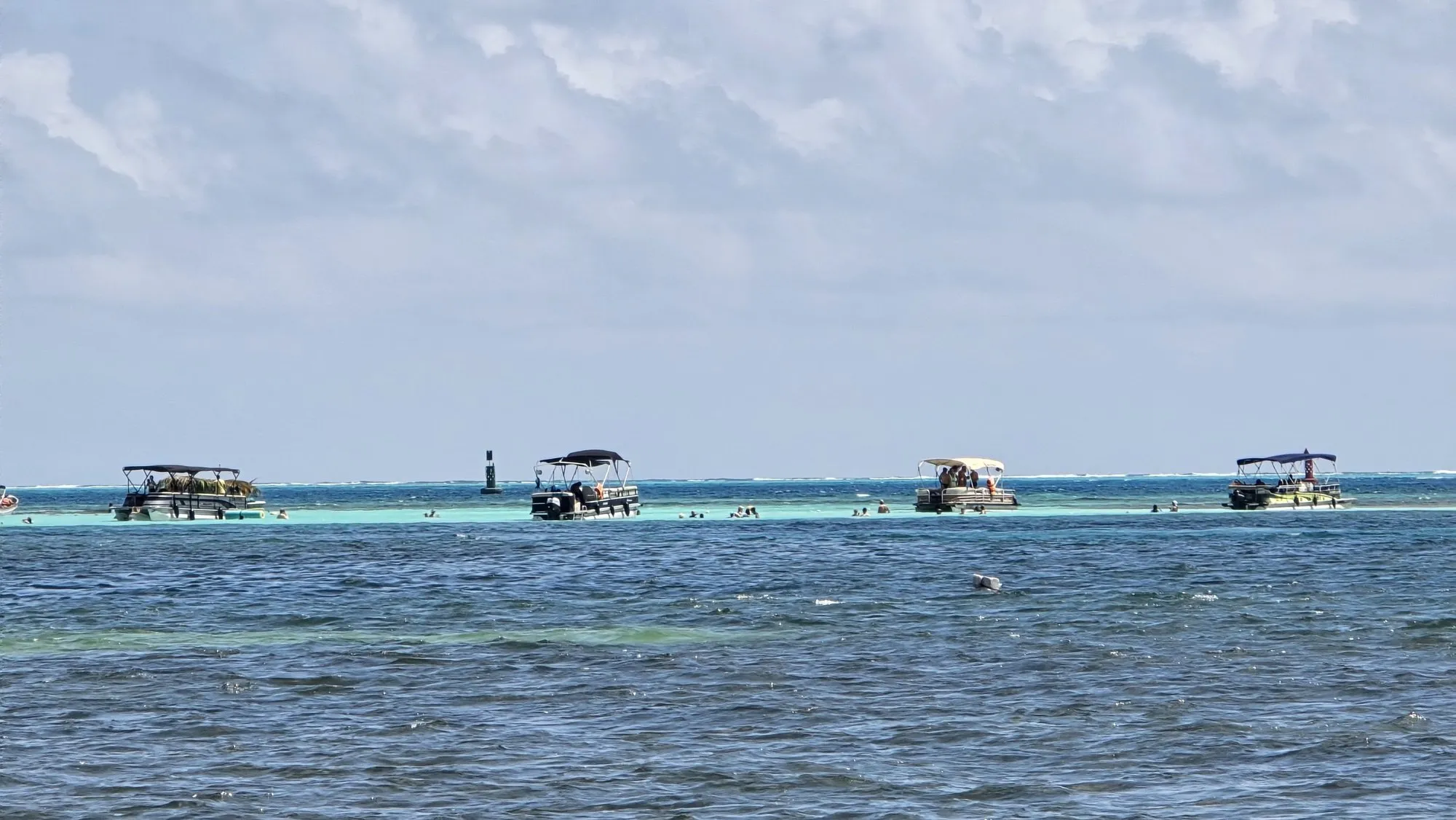
Your first dive trip to the Caribbean: what to expect day by day
You’ve got your certification card and, at last, a trip built around diving. If it’s your first, it’s normal to have questions: how much is there to remember? What if I can’t keep up with the others? Here’s what a typical dive day in the Caribbean looks like, what happens before each dive and why taking it slowly is the best way to enjoy it.
What a dive day looks like
The day revolves around the sea. You get your kit ready, head out by boat to the dive site and, if there’s more than one dive, spend some time on the surface in between: the surface interval, for resting, drinking water and talking about what you’ve seen.
On the boat, everyone stows their kit in their allotted space and follows the crew’s instructions for getting in and out of the water. The usual entry is a giant stride from the side or stern, or a backward roll off an inflatable boat.
The day’s site isn’t always the one you expected. On Siete Azules trips, sites are chosen according to the sea, the current and the group’s level, so don’t be surprised if the plan changes in the morning: it’s a good sign.
The briefing: what you’re told before you get in
Before each dive, the guide explains the plan: where you’ll dive, how to get in, how long the dive will last, the maximum depth and the conditions at the site, such as current. PADI sums it up in a phrase worth remembering: plan the dive, dive the plan.
It’s the time to ask about anything you’re unsure of, from a hand signal to the order of entry. And if something doesn’t feel right (the sea, how you’re feeling or the plan itself), say so. One of PADI’s safety tips is that simple: if in doubt, don’t dive.
Your dive buddy and the pre-dive check
Nobody dives alone. PADI counts it among its golden rules: however experienced you are, never dive without a buddy. You and your buddy keep an eye on each other during the dive and help each other if needed.
Before getting in, each pair checks the other’s kit: BCD, weights, releases, air (with the cylinder valve fully open) and a final head-to-toe check. PADI insists on repeating it before every dive, including after the surface interval, not just before the first dive of the day.
The pace: slow and unhurried
There’s nothing to gain from rushing underwater. Breathe calmly and never hold your breath: you’ll stay more relaxed and use less air. On the way down, equalise your ears often and stop if they hurt. On the way up, take your time: no faster than 18 metres per minute and a three-minute safety stop at five metres, as PADI’s rules set out.
Moving slowly is also how you see more. As PADI puts it, chasing an animal is an excellent way to make sure you never see it again. In a small group you notice this even more: there are fewer fins around you, the briefing becomes a conversation and it’s easier to keep the group together.
Remember that limits are personal and can change from day to day. If you have a cold, haven’t slept well or simply don’t feel right, staying on the boat is diving sensibly too.
Rest, and no diving on the last day
Diving is physically demanding, and the sun and the boat add up. PADI’s golden rules include getting plenty of rest and not drinking before you dive. Drink water throughout the day: DAN advises preventing dehydration from the journey onwards.
On the last day, rest isn’t optional. DAN (Divers Alert Network), the international diver safety organisation, recommends at least 12 hours between a single no-decompression dive and your flight, and at least 18 hours if you’ve made several dives in a day or dived several days in a row. That also applies to the flight between San Andrés and Providencia. Use the day to explore the island on dry land.
More about the island
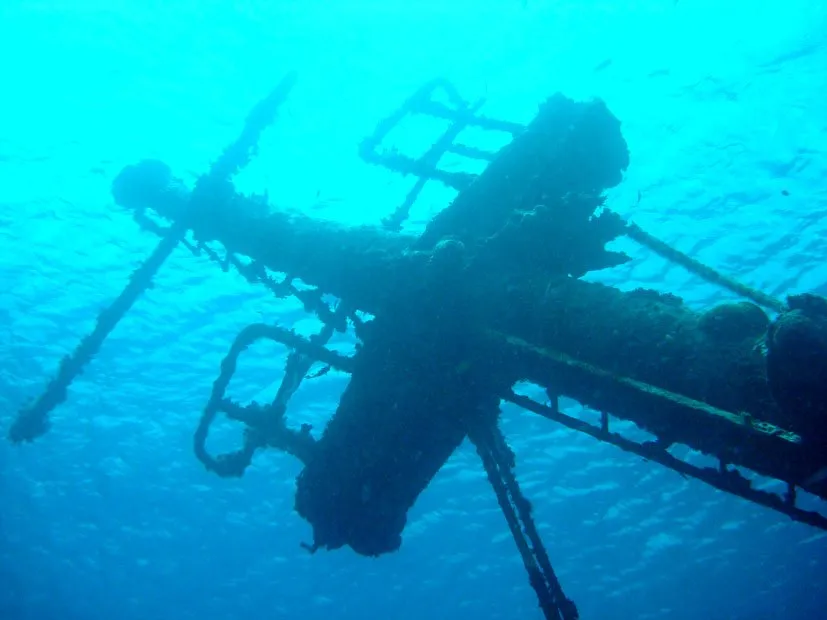
Open Water or Advanced
The dive sites on both islands sorted by certification: which you can enjoy with Open Water, which depend on the section and which call for Advanced.
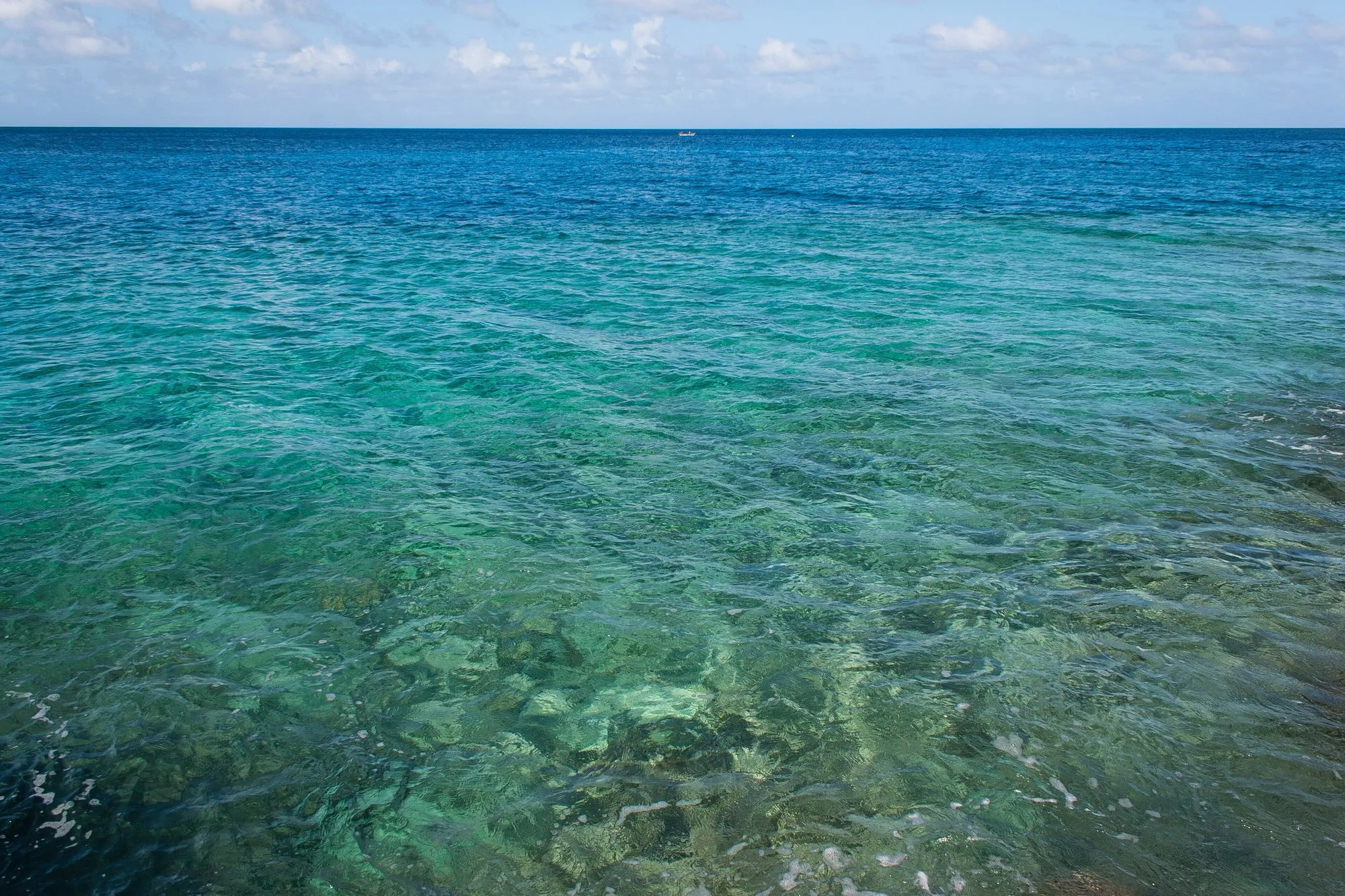
Responsible diving
Buoyancy, hands to yourself, no feeding the fish and well-chosen sun cream: this is how you dive in the Seaflower Biosphere Reserve.
What to pack
What your bag can’t do without: dive documents, insurance, a suit for warm water, mask, sun protection, medicines and the no-fly time after your last dive.
Tourist card
The tourist card price in 2026, exemptions, where to buy it, Check-MIG, visa and passport.
Frequently asked questions
How long should I wait to fly after diving?
According to DAN, at least 12 hours after a single no-decompression dive and at least 18 hours after several dives in a day or several days of diving. If you’ve made decompression stops, considerably longer than 18 hours.
What if I can’t keep up with the group?
Tell the guide at the briefing: limits are personal and the plan is adjusted to the group’s level. And if you don’t feel comfortable with a dive, don’t do it. That’s one of PADI’s safety tips.
Should I brush up if I haven’t dived for a while?
According to DAN, skills start to slip after as little as six months out of the water, and after one or two years without diving a refresher course is considered worthwhile. If that’s you, tell the guide before your first dive.
Can you picture yourself beneath these waters?
If you’d like to discover San Andrés by diving, in a small group and with everything organised, leave us your details.
See the trip- No commitment, no payment
- We write to you personally with dates, programme and price
- Your details are only used to reply to you